
Contents
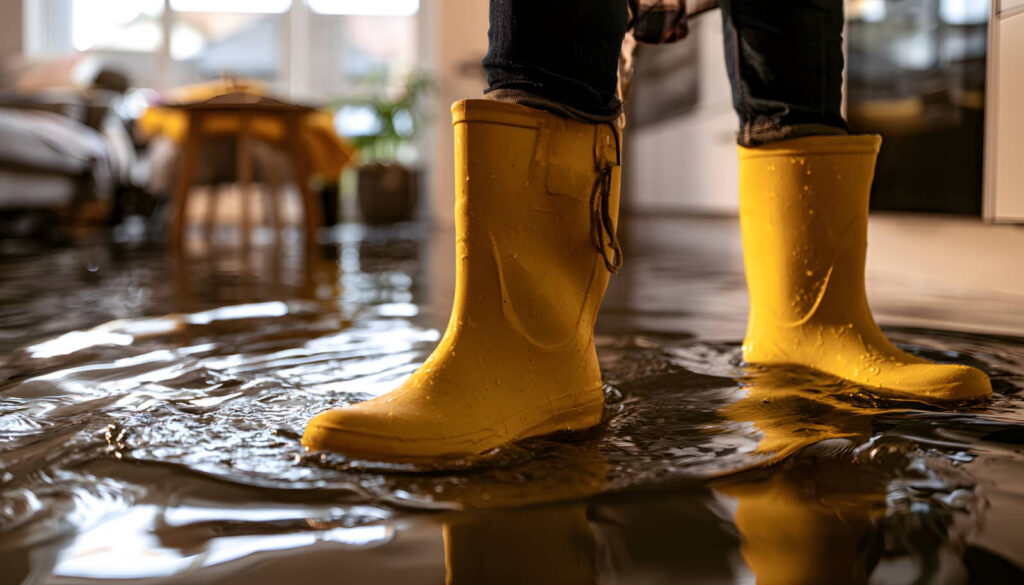
After a storm, you walk into your basement and find two inches of water around the furnace. Flooded basement cleanup starts with shutting off power when it’s safe, stopping the water source, and confirming there are no electrical or structural hazards before entering. Next, remove standing water, clear out soaked materials, and begin drying affected areas with fans and dehumidifiers. Thorough moisture checks are essential because hidden dampness can lead to costly mold and further structural damage if left untreated.
Key Takeaways
- Shut off water and electricity first, then check for gas leaks, unstable ceilings, and contaminated water.
- Pump out water from the lowest point using a sump pump, wet/dry vacuum, or submersible pump.
- Remove soaked carpet, padding, drywall, and insulation quickly to prevent further damage and mold.
- Bag debris immediately, wear protective gear, and keep the workspace clean and organized.
- Dry the basement continuously with dehumidifiers and fans until humidity drops below 60 percent.
Shut Off the Water and Check for Hazards
Before you begin cleanup, shut off the water source if it’s still flowing, then turn off electricity to the affected area from the main breaker if you can do so safely.
Next, confirm water safety by checking for contaminated water, sharp debris, and unstable surfaces. Perform a careful hazard assessment before you step farther into the basement. Look for sagging ceilings, cracked walls, gas odors, or sparking equipment, and leave immediately if anything seems unsafe.
Wear insulated boots, gloves, and a mask to reduce exposure. If the water reached outlets, appliances, or wiring, don’t touch them until a qualified professional confirms they’re safe.
Stay calm and methodical; you’re protecting yourself and everyone who depends on this space. Clear communication with others in your household helps you act as a team.
Pump Out Standing Water and Remove Wet Materials
Start removing the standing water as soon as the area is confirmed safe, using a sump pump, wet/dry vacuum, or submersible pump sized for the job.
Work from the lowest point first and keep the discharge hose away from the foundation. These water removal techniques help you lower the level efficiently without stressing the structure.
As the water drops, sort salvageable items from damaged ones. Move furniture, boxes, rugs, and electronics that can be cleaned or professionally restored to a dry staging area.
Tear out soaked carpet, padding, insulation, and swollen drywall that can’t be saved. Wear gloves and sturdy boots, and bag debris right away so your team can keep the space organized and manageable.
If the load seems too heavy, bring in help.
Dry the Basement Quickly to Prevent Mold
Once the standing water is out and damaged materials are removed, dry the basement immediately to limit mold growth and secondary damage.
You should run dehumidifiers nonstop, position fans to move air across walls and floors, and open any safe vents for ventilation solutions. Keep doors open so air can circulate, and monitor humidity until it drops below 60 percent.
This moisture control step protects framing, insulation, and stored items from hidden decay.
- You’ll feel relief as the damp smell fades.
- You’ll protect your home from costly mold repairs.
- You’ll regain a dry, usable space for your family.
Check corners, baseboards, and behind appliances daily.
If surfaces stay wet after 24 to 48 hours, bring in a restoration team for deeper drying.
Frequently Asked Questions
How Do I Know if My Basement Flood Damaged the Foundation?
You’ll know through a foundation inspection: look for new cracks, uneven floors, sticking doors, or bowed walls. These signs can affect structural integrity, so you’re not alone—call a professional quickly for reassurance.
Can Floodwater Contaminate Stored Food in the Basement?
Yes, floodwater can contaminate stored food in your basement, turning sealed boxes into soggy risks. For food safety during flood recovery, you should discard anything touched by water, especially cans, jars, or perishables.
Should I File an Insurance Claim Before Cleanup Starts?
Yes—file your insurance claim before cleanup starts so you protect insurance coverage and begin the claim process early. You’ll document losses better, and you’re not alone; your adjuster can guide each technical, careful step.
When Is It Safe to Turn Basement Electricity Back On?
You can turn basement electricity back on only after water’s gone, outlets and wiring are dry, and you’ve had a professional electrical inspection. Follow safety precautions; you’ll protect your home and feel confident, too.
Do I Need Professional Testing for Mold After Cleanup?
Yes, you may need a mold inspection if cleanup methods didn’t fully dry materials within 24-48 hours. You should test when odors, staining, or health symptoms persist; professionals can confirm hidden growth and guide safe remediation.
Review
By shutting off the water and electricity, you protect yourself; by checking for hazards, you protect your home. By pumping out standing water and removing wet materials, you limit structural damage; by starting low and working steadily, you keep cleanup controlled. By drying the basement quickly with dehumidifiers and fans, you reduce humidity; by keeping it below 60%, you help stop mold before it starts. Stay alert, stay methodical, and you’ll restore your basement safely.
Recent Posts
7 Tips for Mold Remediation After Water Damage
After water damage, you need to act fast to keep mold from spreading through your
What Is Storm Damage Mold Remediation?
When a storm leaves your building a little worse for wear, mold can quietly become
What to Do After Basement Flooding
When water sloshes across your basement floor, soaking boxes, drywall, and belongings, every minute counts.