
Contents
When a storm leaves your building a little worse for wear, mold can quietly become the real problem. You deal with storm damage mold remediation by finding hidden moisture, isolating affected materials, and removing contamination before it spreads. You also need to dry, clean, and stabilize the structure so mold doesn’t return. But the full process depends on how far the water traveled, and that’s where the details get important.
Key Takeaways
- Storm damage mold remediation removes mold and moisture after flooding or leaks from severe weather.
- It includes inspection, containment, cleaning, drying, and removal of damaged materials.
- Water intrusion can trigger mold growth within 24 to 48 hours on wet drywall, wood, and insulation.
- Professionals use pumps, dehumidifiers, airflow, and moisture meters to dry affected areas completely.
- Proper remediation prevents regrowth, protects indoor air quality, and supports safe restoration.
What Is Storm Damage Mold Remediation?
Storm-drenched materials can turn into a hidden mold problem fast, and storm damage mold remediation is the process of identifying, containing, removing, and drying those affected areas before contamination spreads. You’ll use it to restore safe indoor conditions after severe weather.
A trained team inspects vulnerable rooms, isolates impacted materials, and applies controlled drying to limit further damage. You can support the work by following mold prevention strategies like improving ventilation, discarding unsalvageable porous items, and monitoring humidity.
Good storm recovery tips also include documenting damage, wearing protective gear, and acting quickly on wet surfaces. When you understand this process, you’re better equipped to protect your home, your health, and the people who rely on you.
How Storm Damage Causes Mold Growth
When a storm drives water into your home, it raises moisture levels in materials that mold can colonize within 24 to 48 hours.
You’re dealing with storm impact that can saturate drywall, insulation, wood framing, and carpet backing, creating the damp conditions mold needs to begin the mold lifecycle. Spores already present in indoor air land on wet surfaces, absorb moisture, and germinate.
As temperatures stay moderate and airflow drops, colonies expand through porous materials and hidden cavities. Even brief flooding can leave residual moisture behind walls, under flooring, and inside HVAC components, so the problem keeps advancing after visible water is gone.
You can reduce risk by drying affected areas quickly, because fast moisture control limits spore activation and colony establishment.
Signs Your Building Needs Mold Remediation
You can identify a need for mold remediation by checking for visible mold growth on walls, ceilings, baseboards, and other damp surfaces after storm damage.
You should also watch for persistent musty odors, which often indicate hidden mold in building materials or cavities.
If you notice either sign, you’ll need a prompt inspection to limit further contamination and structural damage.
Visible Mold Growth
Visible mold growth often appears within days to weeks after stormwater intrusion and signals that moisture has penetrated building materials deeply enough to support fungal colonization.
You may notice discoloration on drywall, framing, insulation, or flooring, with spots ranging from green and black to white or gray. Different mold types can spread behind surfaces, so what you see may only represent part of the problem.
If you ignore these colonies, you increase health risks for occupants, especially those with asthma, allergies, or weakened immunity. You should treat any visible growth as a remediation trigger, not a cosmetic issue.
A trained team can inspect, contain, remove affected materials, and verify dryness so you and your building community can return to a safer, healthier environment.
Persistent Musty Odors
Persistent musty odors often indicate hidden mold growth after storm damage, even when you can’t see any staining or surface colonies.
You may notice the smell in a musty basement, attic, or wall cavity because moisture has stayed trapped in porous materials. If the odor returns after cleaning, you’re likely dealing with active microbial growth, not simple dampness.
Check for wet drywall, insulation, carpet padding, and HVAC components, since these can hold spores and support colonization.
Effective odor elimination requires drying, source removal, and antimicrobial treatment, not masking sprays. When you address the moisture source quickly, you protect your indoor air and keep your home feeling safe, healthy, and familiar for everyone inside.
How Storm Damage Mold Remediation Works
Storm damage mold remediation begins with a detailed assessment of moisture intrusion, affected materials, and visible or hidden fungal growth.
You’ll get targeted mold testing to confirm species, measure spread, and guide the safest cleanup plan.
Then, a certified team isolates contaminated zones, protects clean areas, and documents conditions for insurance claims.
They classify affected building materials, determine what can be salvaged, and remove porous items that can’t be restored.
Next, they clean structural surfaces with approved methods, apply antimicrobial treatments when needed, and verify that remaining contamination is controlled.
You stay informed through each step, so you know what’s happening and why.
This process helps your home return to a healthier, more stable condition for everyone inside.
Water Extraction and Moisture Removal
Water extraction starts by removing standing water with pumps, wet vacs, and other specialized equipment to prevent further saturation of floors, walls, and contents. You’re reducing flood damage by acting fast and documenting moisture sources.
You isolate affected areas.
You remove hidden water from cavities.
You measure surface moisture.
You verify humidity control targets.
This process helps you limit microbial growth, protect structural materials, and keep your remediation plan on track.
Technicians use meters and infrared tools to confirm where water migrated, so you can trust the response. By clearing moisture early, you join a safer recovery path and reduce the chance that trapped water will spread damage.
Precision here matters because every minute counts after storm intrusion.
Drying Walls, Floors, and Contents
After water extraction, you need to remove residual moisture fast to slow mold growth and limit material damage.
You should dry walls and floors with targeted airflow, dehumidification, and temperature control until readings show acceptable moisture levels.
You can often salvage wet contents by isolating, cleaning, and drying them promptly before secondary contamination sets in.
Rapid Moisture Extraction
Fast removal of trapped moisture is critical to limit mold growth and secondary damage. In your emergency response, you need rapid moisture control to stabilize affected areas and protect your team’s shared recovery effort.
You should act in this sequence:
- Extract standing water with high-capacity vacuums.
- Remove saturated contents that hold moisture.
- Deploy air movement to speed surface evaporation.
- Verify readings with calibrated moisture meters.
You’ll reduce microbial risk when you eliminate free water quickly and keep humidity low. Focus on immediate extraction from porous materials, framing cavities, and textiles before mold can colonize.
Precise documentation helps your crew track progress and maintain consistency. When you respond fast, you protect the structure, preserve salvageable items, and keep everyone moving toward a safer, cleaner restoration outcome.
Wall And Floor Drying
Once standing water is removed, you need to dry wall cavities, flooring assemblies, and affected contents in a controlled sequence to stop hidden moisture from driving mold growth.
You’ll want to open baseboards, drill inspection holes when needed, and expose wet materials so air can reach trapped zones. Pair dehumidifier usage with targeted airflow to pull vapor from studs, subfloors, and insulation before spores can take hold.
Use ventilation strategies that exchange humid indoor air with drier outdoor air only when conditions support it. Monitor moisture levels daily with calibrated meters, and keep drying equipment running until readings match unaffected areas.
If you stay methodical, you’ll protect the structure and fit in with crews who know that precision prevents secondary damage and keeps restoration on track.
Salvaging Wet Contents
Begin salvaging wet contents by separating porous items, semi-porous materials, and nonporous belongings so you can treat each one correctly and prevent cross-contamination. Move items to a clean, ventilated area fast. You’ll protect your space and help your team work efficiently.
Inspect wet furniture for swelling, delamination, and hidden moisture.
Elevate contents, then use air movement and dehumidification.
Focus on salvaging textiles by washing, disinfecting, and drying promptly.
Discard saturated insulation, particleboard, or items with visible mold growth.
Track each item’s condition, because documentation supports insurance claims and restoration decisions.
If you act quickly, you can reduce loss, preserve familiar belongings, and stay connected to a recovery process that feels manageable.
When Demolition Is Necessary
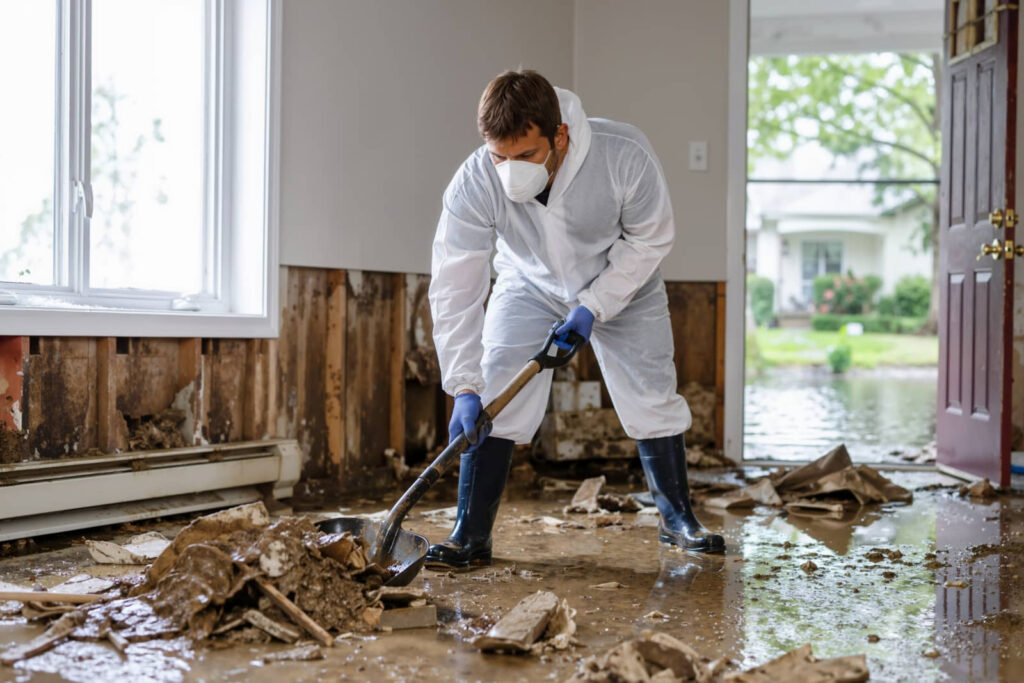
When storm damage lets water soak into drywall, insulation, subflooring, or structural framing, demolition may be the only way to remove contamination and expose hidden moisture.
You’ll need it when materials have delaminated, swollen, or stayed wet long enough for mold to penetrate beyond the surface.
Skilled technicians use controlled demolition techniques to remove affected sections with minimal disturbance to adjacent materials.
They also follow strict safety protocols, including respiratory protection, containment, and careful debris handling, so you stay protected during the process.
If the damage reaches load-bearing components, electrical cavities, or concealed assemblies, demolition helps your team verify what can be restored and what must be replaced.
This step gives you a clean, inspectable starting point for the next phase of remediation.
How to Prevent Mold Regrowth
To prevent mold regrowth, you need to dry all wet materials completely, including insulation, framing, and subflooring.
You should improve airflow with fans and dehumidifiers so moisture doesn’t persist in enclosed areas.
You also need to monitor hidden moisture in wall cavities, crawl spaces, and other concealed spaces so you can catch residual dampness early.
Dry Wet Materials
Dry wet materials as quickly as possible to stop mold from taking hold and spreading after storm damage. You should treat every damp surface as a water damage risk and act with mold prevention in mind.
Remove soaked drywall, insulation, carpet padding, and porous contents that can’t dry fully. Clean salvageable items, then dry them to target moisture levels before reinstallation.
- Separate wet from dry materials.
- Bag and discard unsalvageable porous debris.
- Use moisture meters to verify dryness.
- Document conditions for your remediation team.
You’ll protect your home and help your household stay safer when you control moisture fast. Keep checking hidden cavities, subfloors, and framing until readings stay stable.
Improve Airflow
Improve airflow to help prevent mold regrowth by keeping damp areas moving toward a full, even dry-out. You should open windows when outdoor conditions are dry, run fans to push stagnant air out, and keep interior doors ajar so air circulation reaches enclosed spaces.
If your building has ventilation systems, verify that supply and exhaust paths operate correctly and aren’t blocked by debris or furniture. You’ll reduce humid pockets faster when you direct airflow across walls, floors, and trim, not just into the center of a room.
Use balanced drying methods so surfaces don’t stay cool and damp while the rest of the space feels dry. When you manage airflow well, you help your home recover faster and support the team working beside you.
Monitor Hidden Moisture
Check hidden moisture in wall cavities, subfloors, insulation, and behind baseboards, because mold often regrows where surface drying looks complete but trapped water remains.
You should use moisture detection tools to verify safe readings, not assumptions. Track these points:
- Scan suspect materials with a moisture meter.
- Inspect cold corners, seams, and penetrations.
- Record humidity control readings daily.
- Recheck after HVAC runs and after rain.
If readings stay elevated, remove concealed wet materials and dry the cavity again.
Keep indoor relative humidity below 60% to limit regrowth. You’re not doing this alone; careful monitoring protects your home and helps your recovery team confirm the structure’s truly dry, stable, and ready for rebuilding.
How Long Mold Remediation Takes
How long mold remediation takes depends on the extent of the contamination, the materials affected, and whether the source of moisture has been fully corrected.
In your space, small areas may take one to three days, while larger losses can require a week or more.
Mold growth factors like humidity, porosity, and temperature influence drying time and containment needs.
You’ll also see variation based on remediation techniques, such as HEPA vacuuming, material removal, antimicrobial treatment, and structural drying.
If drywall, insulation, or subflooring is saturated, you may need extra demolition and drying before clearance testing.
When you stay patient and follow the process, you help protect your home and your crew’s health, and you reduce the chance of recurring contamination after the storm.
Choosing a Commercial Restoration Company
Once you understand how long mold remediation can take, the next step is selecting a commercial restoration company that can manage the work efficiently and document every phase.
You need a team that understands moisture mapping, containment, and post-removal verification. In commercial restoration, you’re choosing partners who protect your operations and your people.
- Verify licensing, insurance, and mold-specific training.
- Ask for written scope, timelines, and reporting.
- Confirm quality assurance checks, air testing, and photo logs.
- Choose a crew that communicates clearly and fits your facility culture.
When you compare bids, look beyond price. The right contractor reduces downtime, limits liability, and helps you feel confident your building’s recovery is handled with precision and respect.
Frequently Asked Questions
Does Storm Damage Mold Remediation Affect Indoor Air Quality?
Yes, storm damage mold remediation affects your indoor air quality by removing spores, moisture, and contamination. You’ll improve mold prevention, reduce allergens, and restore healthier airflow, helping you feel safer in your home.
Can Mold Return After Professional Storm Cleanup?
Yes, mold can return after professional storm cleanup; many water-damaged buildings later show growth. You should use mold prevention strategies, and schedule post remediation inspections so you’ll protect your space and belong safely.
Is Storm Damage Mold Remediation Covered by Insurance?
Usually, yes, if you have insurance coverage for sudden storm damage; you’ll need prompt reporting and documentation. Your policy may exclude mold, so mold prevention steps can strengthen your claim and limit repairs.
Should Employees Vacate During Mold Remediation?
Yes, you should vacate during remediation; many building-related illness complaints involve air quality. You’ll protect employee safety and follow remediation protocols, keeping your team safe and included while technicians contain spores and restore conditions.
How Do You Document Mold Damage for Claims?
You document mold damage by photographing affected areas, recording dates, moisture readings, and damaged materials, then keeping repair estimates and lab reports. Use mold inspection techniques and claim documentation tips so you’re supported and informed.
Wrap-Up
Storm damage mold remediation helps you regain control after water intrusion leaves your building vulnerable, like sealing a breach in a ship before it sinks. You need fast assessment, moisture removal, targeted demolition if required, and thorough drying to stop mold from spreading. If you act quickly and choose a qualified restoration company, you’ll reduce health risks, protect structural materials, and limit costly repairs. Prevention steps then help keep mold from returning.
Recent Posts
7 Tips for Mold Remediation After Water Damage
After water damage, you need to act fast to keep mold from spreading through your
3 Best Flooded Basement Cleanup Tips
After a storm, you walk into your basement and find two inches of water around
What to Do After Basement Flooding
When water sloshes across your basement floor, soaking boxes, drywall, and belongings, every minute counts.