
Contents
When it comes to commercial properties, mold inspection and testing isn’t just a good practice—it’s essential for maintaining a healthy environment. You might overlook subtle signs of mold growth, but these can lead to serious health risks and costly structural damage. Understanding the inspection process and the importance of professional assessments can greatly impact your property’s safety and compliance. What specific strategies should you consider to mitigate these risks effectively?
Key Takeaways
- Conduct regular visual inspections and moisture level measurements to identify potential mold growth in commercial properties.
- Utilize air quality and surface testing to detect mold spores and assess indoor air quality.
- Hire certified professionals for thorough mold remediation and post-remediation air quality testing.
- Implement moisture control strategies, including dehumidification and regular HVAC maintenance, to prevent mold growth.
- Ensure compliance with EPA and OSHA regulations to mitigate health risks and avoid legal repercussions related to mold.
Importance of Mold Inspection in Commercial Properties
Mold inspection is essential for maintaining the integrity and safety of commercial properties. By prioritizing mold inspections, you not only protect your employees and clients from potential mold health risks but also safeguard your business’s reputation.
Mold can lead to serious respiratory issues and other health complications, creating a liability you can’t afford to overlook. Regular inspections allow you to identify mold growth early, minimizing both health risks and potential financial consequences.
If left unchecked, mold can cause structural damage, increasing repair costs and affecting your bottom line. Moreover, demonstrating due diligence in mold management can strengthen your standing within the community and among stakeholders.
It shows you’re committed to a safe environment, fostering trust and loyalty. By investing in mold inspections, you’re not just protecting your property; you’re also creating a healthier workplace and mitigating business liability, ensuring your enterprise thrives in a secure setting.
Signs of Mold Growth to Watch For
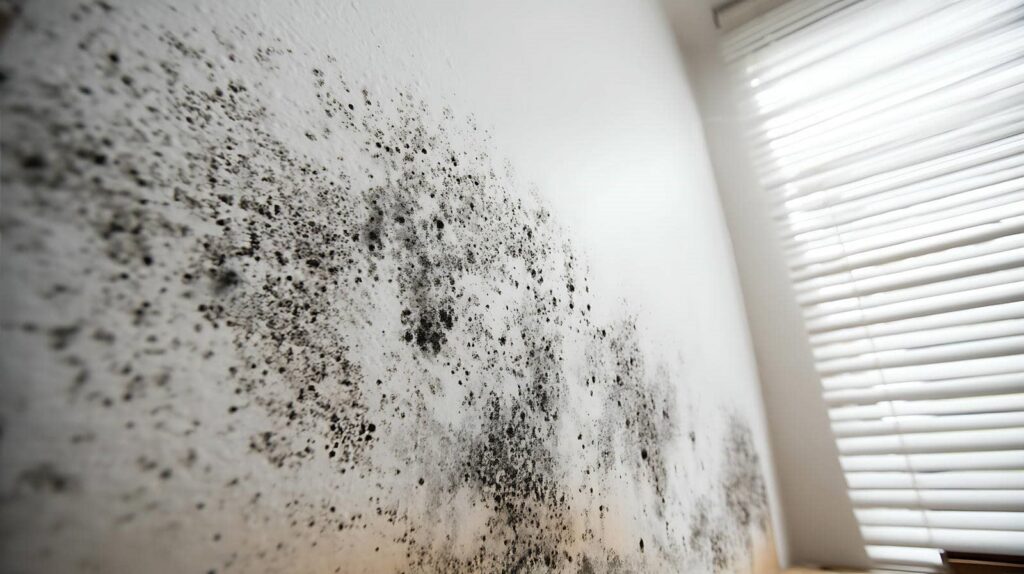
Identifying the signs of mold growth early is crucial for maintaining a safe commercial environment. You should be vigilant for visible mold patches, which can appear in various colors, depending on mold types like Aspergillus or Stachybotrys.
Additionally, a musty odor often accompanies mold, signaling hidden growth behind walls or ceilings. Keep an eye out for water stains or discoloration on surfaces, as they indicate moisture issues that can foster mold development.
Moreover, watch for signs of health effects among employees—symptoms like coughing, sneezing, or skin irritation can suggest mold exposure. Prolonged exposure may lead to more severe respiratory problems or allergic reactions.
Regularly inspecting high-humidity areas, such as restrooms or kitchens, can help catch mold early. By being proactive and informed, you can guarantee a healthier workspace and promote a sense of well-being among your team.
The Mold Inspection Process
When it comes to guaranteeing a mold-free environment in commercial properties, the mold inspection process typically consists of several key steps.
Understanding these steps can help you maintain a healthy space. You’ll want to utilize effective mold assessment techniques and guarantee you have an inspection checklist that includes essentials such as:
- Visual inspection of all areas
- Moisture measurement with specialized tools
- Air quality testing to detect spores
- Surface sampling for laboratory analysis
- Evaluation of HVAC systems for mold presence
Types of Testing for Mold Presence
When evaluating mold presence in commercial properties, you have several effective testing methods at your disposal, including air quality sampling, surface testing, and bulk material analysis.
Each method offers unique insights into mold contamination levels and helps determine the best remediation approach.
Understanding these testing types will enable you to make informed decisions about maintaining a safe environment.
Air Quality Sampling
Air quality sampling plays an important role in evaluating the presence of mold in commercial properties. By using appropriate sampling techniques, you can identify airborne pollutants that may affect indoor air quality.
It’s crucial to choose the right method to guarantee accurate results. Here are some key considerations for effective air quality sampling:
Type of air sampler: Choose between active or passive samplers based on your needs.
Sampling duration: Consider short-term vs. long-term sampling to capture transient conditions.
Location selection: Target areas with suspected mold growth or high foot traffic.
Weather conditions: Conduct sampling during stable weather for reliable data.
Analysis method: Select a lab that specializes in mold analysis for precise identification.
Surface Testing Methods
Accurate identification of mold requires not just air quality sampling but also surface testing methods that provide a direct assessment of potential mold presence.
You’ll find that surface sampling techniques, such as tape lifts, swabs, and dust collection, are effective in identifying mold spores on various surfaces. Each method utilizes specific mold detection tools designed to capture and analyze the mold present.
For instance, tape lifts can reveal mold growth on walls or furniture, while dust collection can assess areas with minimal disturbance.
Bulk Material Analysis
While surface testing methods provide valuable insights, bulk material analysis offers a deeper understanding of mold presence within commercial properties. This approach utilizes bulk sampling techniques to gather samples directly from materials suspected of harboring mold, ensuring thorough examination.
You’ll appreciate the precision of various material identification methods that can reveal hidden mold infestations.
Key aspects of bulk material analysis include:
- Collecting representative samples from affected areas
- Evaluating material composition for mold growth viability
- Identifying specific mold species present
- Evaluating moisture levels within materials
- Determining contamination extent and remediation needs
Understanding Mold Spore Counts
Understanding mold spore counts is vital for evaluating the health and safety of commercial properties, as these microscopic particles can considerably impact air quality and occupant well-being. Mold spores are produced throughout various mold lifecycle stages, and their presence often indicates underlying moisture issues.
You’ll find that spore dispersal mechanisms, such as wind and air currents, contribute to their widespread distribution, making it essential to monitor levels in your property.
High spore counts can indicate active mold growth or contamination, potentially leading to respiratory problems or allergic reactions among occupants. By understanding these counts, you can identify problem areas and implement appropriate remediation strategies.
Regular testing guarantees that you maintain a safe environment, protecting both your property’s integrity and the health of those inside. Ultimately, being proactive about mold spore counts fosters a sense of belonging and safety for everyone who works or visits your commercial space.
The Role of Professional Mold Inspectors
When it comes to guaranteeing a mold-free environment in commercial properties, professional mold inspectors play an essential role in identifying and addressing potential issues. Their expertise not only helps maintain a healthy atmosphere but also protects your investment.
Here are key aspects of what you can expect from a qualified inspector:
Utilization of advanced mold detection techniques to pinpoint hidden infestations.
Thorough assessments of air and surface samples to accurately evaluate mold levels.
Knowledge of building materials to identify vulnerabilities and sources of moisture.
Applicable certifications and licenses that guarantee adherence to industry standards.
Comprehensive reporting that outlines findings and recommendations for further action.
Remediation Strategies Following Inspection
After a thorough mold inspection, it’s crucial to implement effective remediation strategies to eliminate any identified issues and prevent future occurrences. You should begin by following specific post inspection protocols tailored to your property.
First, assess the extent of the mold contamination. Depending on the severity, you might opt for remediation techniques such as physical removal, chemical treatments, or even encapsulation.
Make certain that you equip your team with appropriate personal protective equipment (PPE) to safeguard against exposure. If the affected areas are extensive, consider hiring certified mold remediation professionals who can effectively manage the situation.
Furthermore, after remediation, conduct air quality testing to confirm that mold spores are within safe limits.
Regular monitoring and maintenance of your building’s ventilation and humidity levels are crucial to guarantee long-term success. By adhering to these strategies, you can foster a safe environment and protect the well-being of your occupants.
Preventative Measures for Future Mold Growth
To effectively prevent future mold growth, you need to focus on three key areas: regular HVAC maintenance, moisture control strategies, and routine inspections.
By ensuring your HVAC systems run efficiently, you minimize humidity levels that can foster mold.
Additionally, implementing a schedule for moisture monitoring and conducting regular property audits will help you identify and address potential issues before they escalate.
Regular HVAC Maintenance
Regular HVAC maintenance is essential for preventing mold growth in commercial properties, as it guarantees that air circulation systems operate efficiently and remain free of moisture buildup.
To make certain your HVAC system supports a mold-free environment, focus on these key areas:
Regular equipment inspection to identify potential issues early.
System cleaning to remove dust and debris that can trap moisture.
HVAC filters should be changed frequently to maintain air quality.
Duct maintenance prevents blockages that hinder airflow.
Humidity control maintains ideal moisture levels throughout your property.
Moisture Control Strategies
Effective moisture control strategies are crucial for preventing mold growth in commercial properties. You should implement dehumidification systems to maintain ideal humidity levels, ideally between 30% and 50%. This not only curbs mold proliferation but also enhances overall indoor air quality.
Additionally, installing moisture barriers in basements and crawl spaces can greatly reduce the risk of moisture infiltration. These barriers act as a shield against groundwater and humidity, preventing mold spores from finding a suitable environment to thrive.
Together, these strategies create a thorough approach to moisture management. By prioritizing these preventative measures, you foster a healthier environment for your employees and customers, ultimately enhancing the longevity and integrity of your commercial property.
Routine Inspections and Audits
While implementing moisture control strategies is vital, conducting routine inspections and audits is equally critical for preventing future mold growth in commercial properties.
Establishing routine schedules and adhering to thorough inspection checklists can greatly mitigate risks.
Consider the following key areas during your inspections:
- Check for visible mold in high-risk areas
- Monitor humidity levels and guarantee proper ventilation
- Inspect plumbing and HVAC systems for leaks
- Assess building materials for water damage
- Review past inspection reports for recurring issues
Regulatory Compliance and Mold Standards
Understanding regulatory compliance and mold standards is essential for commercial properties, as failure to adhere can lead to significant health risks and legal repercussions.
You must familiarize yourself with mold regulations that apply to your property, including guidelines set by organizations like the Environmental Protection Agency (EPA) and the Occupational Safety and Health Administration (OSHA).
These compliance standards outline acceptable mold levels and the procedures for mold assessment and remediation.
Frequently Asked Questions
How Much Does Mold Inspection Typically Cost for Commercial Properties?
Mold inspection pricing for commercial property assessments typically ranges from $300 to $1,500, depending on size and complexity. Investing in thorough inspections guarantees safety and compliance, protecting both your property and your tenants’ health.
How Long Does a Mold Inspection Usually Take?
A mold inspection typically lasts between two to four hours, depending on the property’s size and complexity. During this time, you’ll uncover potential mold growth, ensuring you’re well-informed about any necessary next steps.
Are DIY Mold Tests Reliable for Commercial Properties?
DIY mold tests often lack accuracy for commercial properties. While mold kits can provide insights, they typically can’t match professional assessments. Relying solely on them may overlook significant issues, compromising your property’s safety and integrity.
What Should I Do if Mold Is Found During Inspection?
If you find mold during inspection, don’t panic. Assess health risks, then implement effective mold remediation strategies. Consider hiring professionals to guarantee thorough removal, preventing recurrence, and safeguarding your property and occupants’ well-being.
Can Mold Inspections Be Conducted During Business Hours?
Yes, mold inspections can occur during business hours. When scheduling, consider the operational impact on your business, ensuring minimal disruption while allowing inspectors to assess areas effectively. Balancing both priorities fosters a healthier work environment.
Wrap-Up
In the domain of commercial properties, mold inspection isn’t just a precaution it’s a necessity. Like an early warning system, it helps you detect issues before they escalate into costly problems. By prioritizing regular inspections and adhering to regulations, you protect both your investment and the well-being of your employees and clients. Embracing proactive measures today guarantees a healthier, safer environment tomorrow, ultimately fostering trust and confidence within your community. Don’t wait for mold to take root; act decisively.
Recent Posts
Structural Drying for Flooded Property Restoration
When water invades a structure, both speed and strategy matter. Flooded property restoration starts by
What Is Structural Drying After Flooding
The majority of flood damage problems can worsen when moisture remains trapped in building materials,
5 Tips for Structural Drying After Flooding
After a flood, you need to act fast, or moisture can continue spreading behind walls