
Contents
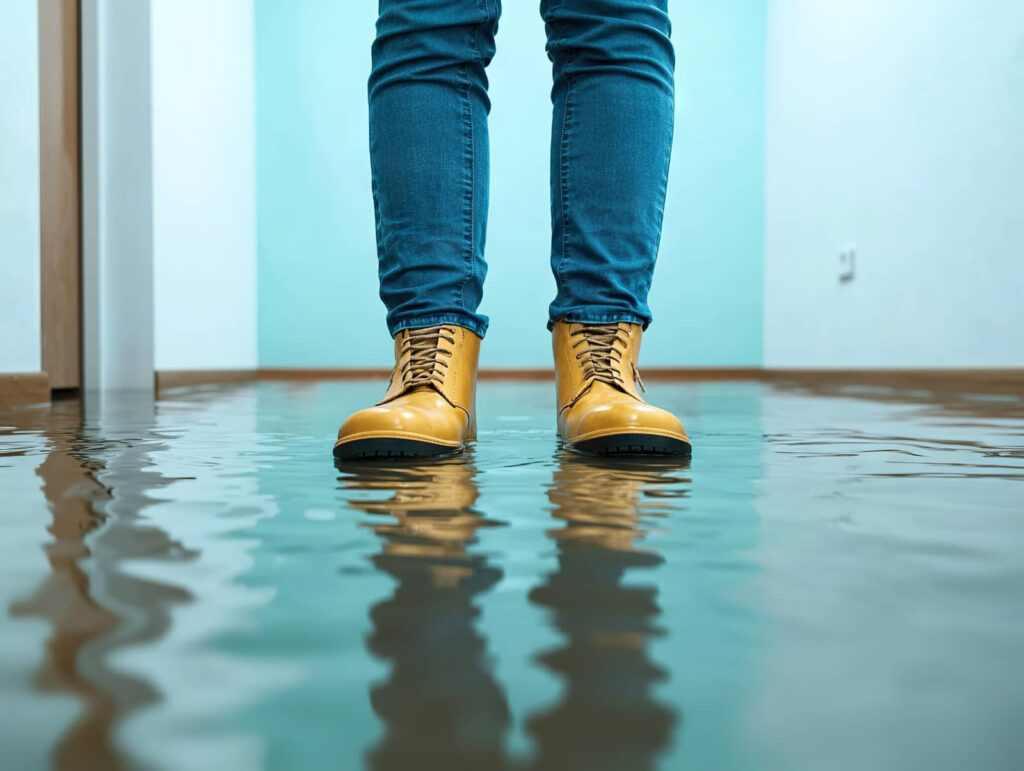
After a heavy storm, you may find two inches of water in your basement and damp spots behind storage boxes. You should check for standing water, hidden moisture, electrical hazards, HVAC damage, and early mold before you start cleanup. Inspect walls, floors, baseboards, drywall, insulation, and the sump pump, then document every issue. Miss one problem, and the repair bill can grow fast.
Key Takeaways
- Check for standing water and hidden moisture in corners, under items, and along floor seams using a flashlight and moisture meter.
- Inspect walls, floors, and baseboards for staining, swelling, buckling, bubbling paint, or soft drywall.
- Shut off power and have electrical panels, wiring, and HVAC components inspected for water damage before restoring service.
- Look for early mold signs, including musty odors, discoloration, and fuzzy or slimy growth, within 24 to 48 hours.
- Document all damage with photos and notes, then verify sump pump and drainage are working properly.
Check for Standing Water and Hidden Pockets
Start by checking for standing water and hidden pockets of moisture, because water often collects in low spots, behind stored items, and under materials you may not see at first glance.
You should map the affected area, then use moisture detection methods to confirm what your eyes miss. Probe corners, wall edges, floor seams, and beneath shelving with a flashlight and a meter.
If you find pooled water, apply water removal techniques immediately with a pump, wet vacuum, or absorbent materials. Lift damp items so air can reach both sides, and separate materials that trap moisture.
Keep notes on each wet zone so you can track progress. By working methodically, you’ll protect your space, support faster drying, and stay connected to a clear recovery plan.
Check Electrical and HVAC Systems
You should shut off power at the main breaker before you inspect the electrical panel for moisture, corrosion, or tripped breakers.
Next, you need to assess the HVAC unit for flood exposure, damaged controls, and contaminated components, since water can compromise safe operation.
Check wiring and ductwork for wet insulation, exposed conductors, and trapped debris, and don’t restore service until a qualified technician verifies the system.
Electrical Panel Inspection
Once floodwater reaches the basement, shut off power to the affected area and have a licensed electrician inspect the main electrical panel before restoring service.
You shouldn’t reset circuit breakers or remove panel covers yourself if you see moisture, corrosion, or staining. A qualified electrician will test for compromised insulation, verify grounding, and confirm that electrical safety hasn’t been lost in hidden conductors.
Ask for a full check of breaker operation, bus bars, and feeder connections, because water can leave conductive residue that causes delayed faults.
If the panel smells burnt, clicks, or shows rust, keep it de-energized and document the damage.
Your home’s recovery team should treat the panel as part of a shared safety plan, not a guesswork repair.
HVAC Unit Assessment
Even if the basement has dried, have an HVAC technician inspect the furnace, air handler, condensate pump, and connected controls before you restore operation.
You want verified HVAC maintenance, because hidden moisture can corrode components, weaken sensors, and reduce system efficiency.
Check for water intrusion, rust, and contaminated insulation integrity around the unit, then confirm safe startup, proper moisture control, and stable humidity levels.
Replace wet filters immediately, since filter replacement supports air quality and protects fans and coils from debris.
If floodwater reached the cabinet, ask about duct cleaning and a full performance test.
You’ll feel better knowing your system is evaluated carefully, with no shortcuts, so your home stays comfortable, clean, and reliable for everyone who shares it.
Wiring And Ductwork
Before restoring power or running the HVAC system, inspect basement wiring, outlets, junction boxes, and any low-mounted electrical devices for water exposure, corrosion, damaged insulation, or tripped breakers.
If you find moisture, keep the circuit off and call a licensed electrician; your wiring safety depends on a dry, intact system.
Check conduit, cable sheathing, and panel labels for rust, swelling, or heat damage.
Next, examine ductwork for standing water, loose joints, crushed sections, and mold growth.
Wet insulation can trap contaminants, so replace it when needed to protect ductwork integrity and indoor air quality.
Verify supply and return registers are clear, then confirm the blower, controls, and condensate lines operate normally.
When you’re thorough, you help your home recover with confidence and keep your household protected.
Inspect Walls, Floors, and Baseboards
Inspect the wall surfaces for staining, bubbling paint, soft drywall, and visible mold, since these indicate water intrusion and material breakdown.
Check the floors for cupping, buckling, seams opening, or uneven spots, which can signal warping or subfloor damage.
Examine the baseboards for swelling, discoloration, and trapped moisture, because wet trim often reveals hidden saturation behind finished surfaces.
Wall Surface Damage
Water can leave a surprising amount of wall surface damage, even after the standing water is gone. You should inspect paint, drywall, plaster, and paneling for staining, bubbling, soft spots, and hairline cracks.
Press lightly with your hand; if the surface feels loose or crumbly, moisture has likely penetrated the wall assembly. Check baseboards for swelling, separation, or hidden discoloration at the joints. Measure the affected height to judge how far water wicked upward, since that guides wall repair.
For mold prevention, document every damaged area and dry the surface quickly with airflow and dehumidification. If you see persistent odors, efflorescence, or dark spotting, treat the wall as compromised and plan replacement before you close it back up.
Floor Warping Signs
If the basement floor absorbed enough moisture, you may notice warping, cupping, or uneven seams in the finished flooring, along with slight buckling near walls and baseboards.
Check whether the surface feels springy, slopes unexpectedly, or separates at joints, because these changes can signal reduced floor stability after flooding. Run a straightedge across suspect areas and compare adjacent sections for height differences.
Look for localized rises, gaps, or nail pops that suggest the subfloor has swelled or shifted. During moisture detection, note any cool, damp spots that persist after drying and any odor that tracks with deformation.
You’re not just inspecting damage; you’re confirming whether the structure still performs safely. If movement continues, document each location and keep the area ventilated.
Baseboard Moisture Checks
Check the baseboards for darkening, swelling, peeling paint, or separation from the wall, since these are common signs that moisture has migrated up from the floor or behind the finish.
You should also run your hand along the edge to feel for softness, which often means trapped water remains. If you see staining or hear a hollow sound when tapped, document it and compare both sides of each room.
- Inspect joints at corners.
- Check caulk lines for gaps.
- Measure dampness near the floor.
- Plan baseboard replacement if deterioration continues.
When you act quickly, you protect your space and support moisture prevention across the room.
Test Drywall and Insulation for Moisture
Once the standing water is gone, you should test drywall and insulation for hidden moisture before assuming the wall cavity is dry. Use a pin or pinless meter at several heights, and compare readings with nearby unaffected areas for moisture detection.
Press the drywall lightly; soft spots, swelling, or cool surfaces often mean water remains inside. If you can access the cavity, inspect insulation for dampness, compression, or discoloration.
Fiberglass may dry if it stayed clean and brief, but soaked batts usually need insulation replacement to protect the assembly and keep your space healthy.
You’ll make better decisions when you document readings, mark affected sections, and confirm dryness before closing walls. That careful process helps you and your household move forward with confidence.
Look for Early Mold Signs
Even after surfaces feel dry, hidden moisture can still trigger mold growth within 24 to 48 hours, so inspect the flood area for early warning signs right away. You’re checking for a clean, safe space that supports everyone at home.
Look for faint black, green, or white spotting on walls, trim, and baseboards.
Smell for a musty odor, which often signals active mold colonies.
Check seams, corners, and lower surfaces for slimy or fuzzy residue.
Verify humidity control stays below 60% to support mold prevention.
If you see staining spreading or texture changing, isolate the area and improve ventilation immediately.
Use a meter if you have one, because precise readings help you act fast and protect your shared living space.
Check Furniture and Personal Items
Before you move anything back into the basement, inspect furniture and personal items for water damage, hidden moisture, and contamination.
Check upholstered surfaces, seams, and undersides for swelling, staining, or musty odor. Lift cushions, open drawers, and dry each piece completely before reassessing furniture placement.
Treat particleboard, foam, and fabric as high risk, since they hold water and can harbor microbes. For wood, look for warping, joint separation, and finish failure.
Sort sentimental items by salvageability; photographs, papers, and textiles may need professional drying or cleaning. Wear gloves and discard anything that can’t be sanitized.
Keep clean items separated from affected ones, and document damage for insurance records. This careful review helps your household recover safely and stay organized.
Inspect the Sump Pump and Drainage
Start with the sump pump, because a failed pump often caused or worsened the flooding. You should verify that the float moves freely, the discharge line isn’t blocked, and power is restored before you test the unit.
Strong sump pump maintenance helps your basement stay safer, and you belong among owners who check the system early. During a drainage system evaluation, inspect nearby floor drains, downspout extensions, and any visible cracks or backflow signs.
- Listen for smooth startup and steady pumping.
- Check the basin for debris, sludge, or sediment.
- Confirm water exits well away from the foundation.
- Note any repeated cycling, vibration, or alarms.
If the pump won’t run, cycles rapidly, or leaves standing water, arrange service quickly so you can prevent another flood.
Document Flood Damage Before Cleanup
Once the pump and drainage paths are checked, document every sign of damage before you remove anything or begin drying.
Take wide shots of each room, then close-ups of stained walls, warped flooring, soaked insulation, and debris lines that show water depth.
Record the date, time, and affected materials, and note odors, visible mold, and any electrical hazards.
Save damaged samples only if they’re safe to handle, and keep receipts for emergency supplies.
This insurance documentation helps you support claims and track losses accurately.
If you’ve already contacted restoration services, share your photos and notes so they can assess conditions faster and plan appropriate cleanup.
Good records protect your interests, reduce disputes, and help your crew restore the space with confidence and care.
Frequently Asked Questions
How Soon Should I Call My Insurance Company After Flooding?
Call your insurance company immediately after flooding, ideally within 24 hours. You’ll protect flood damage documentation, start insurance claims quickly, and meet policy deadlines. Keep photos, receipts, and a written inventory ready.
Can I Stay in My Basement After Minor Flood Damage?
You can stay only if you’ve eliminated safety concerns and health risks. You should dry everything fast, inspect for mold, sewage, and electrical hazards, and keep ventilation high. Otherwise, leave until professionals confirm it’s safe.
What Permits Are Needed for Basement Flood Repairs?
You’ll typically need permits for electrical, plumbing, structural, and major drywall or insulation work; check local permit requirements and repair guidelines first. You’ll protect your home, meet code, and stay connected to your community.
How Do I Prevent Future Basement Flooding?
You can prevent future basement flooding by improving drainage solutions, maintaining sump pumps, adding waterproofing techniques, and making landscaping adjustments. You’ll protect your home’s foundation, reduce risk, and stay confident with your neighbors.
Should I Hire a Professional Water Damage Company?
Yes—you should hire a professional water damage company. They’ll provide swift water extraction, superior sanitation, and structural scrutiny for mold prevention. You’ll protect your home, preserve belongings, and feel confident with a capable, connected crew.
Review
After basement flooding, you need to check everything methodically: standing water, hidden moisture, electrical and HVAC systems, walls, floors, baseboards, drywall, insulation, mold, furniture, the sump pump, and drainage. Don’t rush cleanup—measure first, act second. Think of the basement as a puzzle: if you miss one wet piece, the damage can spread. Document every issue with photos and notes so you can support repairs, prevent mold, and protect your home.
Recent Posts
Why Inspect Moisture After Flooding?
After flooding, moisture can hide like a ghost in the walls, floors, and framing. You
How to Inspect Basement Moisture After Flooding
After flooding, you need to assess basement moisture methodically before hidden damage spreads. Check walls,
7 Tips for Mold Remediation After Water Damage
After water damage, you need to act fast to keep mold from spreading through your