
Contents
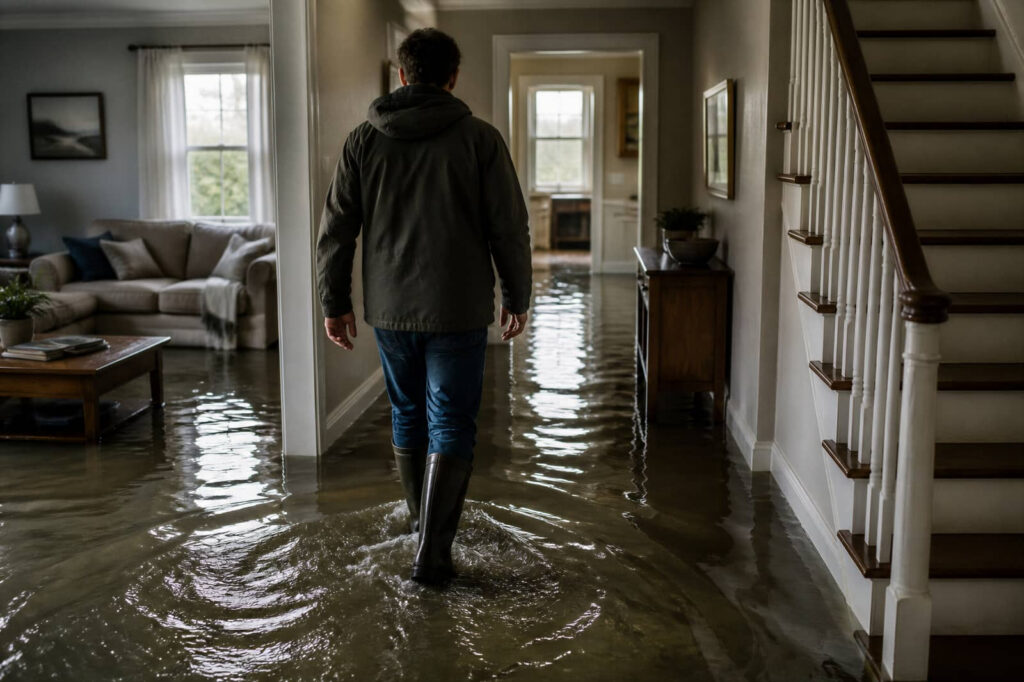
After flooding, you need to assess basement moisture methodically before hidden damage spreads. Check walls, floors, and insulation for dark staining, peeling paint, damp spots, and soft materials. Then use a moisture meter to compare suspect areas with dry ones and note any musty odor or visible mold. Open windows, run fans, and watch how conditions change, because the first signs often reveal what you can’t yet see.
Key Takeaways
- Check walls, floors, corners, and slab edges for damp patches, peeling paint, white residue, and musty odors.
- Use a flashlight at low angles to spot subtle staining, sheen, or hidden moisture after flooding.
- Press insulation and inspect drywall, framing, and carpet backing for sagging, discoloration, or water damage.
- Measure moisture with a moisture meter and humidity with a hygrometer, recording readings in dry and wet areas.
- Remove standing water, dry the basement with dehumidifiers and fans, and monitor for lingering dampness or mold.
How to Spot Basement Moisture
To spot basement moisture, start by checking the walls, floor, and any junctions where surfaces meet for visible signs of dampness.
You should look for darkened patches, white mineral residue, peeling paint, or a musty odor, because these often point to active moisture sources.
Run your hand along cool surfaces and note any slickness or condensation, especially after rain or snowmelt.
Use a flashlight at low angles to reveal subtle sheen or staining.
If you notice recurring damp areas, document their location and timing so you can track patterns and coordinate with your household.
Early detection supports practical prevention techniques, helping you protect your basement and keep your space healthy, dry, and ready for use.
Inspect Walls, Floors, and Insulation
Start by inspecting basement walls, floors, and any exposed insulation for water intrusion, staining, efflorescence, cracks, bulging, or soft spots, since each can indicate a different moisture path. You’ll protect your home faster when you trace visible signs back to likely moisture sources and separate fresh water damage from old repairs.
Check wall joints, corners, and slab edges for damp discoloration or powdery deposits.
Press insulation gently; if it sags, clumps, or smells musty, replace it.
Mark suspect areas so your crew can compare patterns and target cleanup.
Stay systematic and you’ll work like a team member who knows what matters: structural surfaces, hidden cavities, and any material that no longer performs.
Document everything before moving on, and trust your observations.
Measure Moisture and Humidity
After you’ve mapped stains, cracks, and damp spots, quantify the moisture so you can separate guesswork from evidence. Use moisture meters on drywall, framing, and slab edges, taking readings at several heights and distances from the flood line.
Compare each value with a known dry area so you can see where saturation persists. Record humidity levels with a calibrated hygrometer and keep the basement closed for a short, consistent interval before measuring.
You’re looking for conditions that stay elevated after airflow stabilizes, because those numbers tell you whether drying is progressing. Build a simple log with date, location, and reading.
When you measure the same points daily, you join the homeowners who make decisions from data, not assumptions, and you protect the space with confidence.
Look for Mold, Odors, and Damage
Even when moisture readings begin to drop, you still need to inspect for visible mold, persistent odors, and material damage. You’ll protect your space by checking walls, trim, insulation, and stored items with a flashlight and gloves. This step supports mold prevention and helps you judge whether odor removal will be simple or require professional help.
Look for growth: Scan corners, baseboards, and hidden seams for discoloration, fuzzy patches, or slimy residue.
Track odors: Note musty, earthy, or sour smells that linger after ventilation; they often signal concealed contamination.
Assess damage: Identify warped drywall, stained wood, rusted metal, and softened carpet backing, since these materials can harbor contamination.
If you spot active mold or widespread damage, document it and act quickly so you stay in control and protect your home.
How to Dry Out a Damp Basement
Dry the basement by reducing humidity at the source and increasing airflow immediately.
Remove standing water, then isolate wet materials so they don’t keep releasing moisture.
Set up dehumidifier options sized for your square footage and empty them often; run them continuously until relative humidity stays below 60%.
Use ventilation techniques that exchange moist air with drier outdoor air only when outside humidity is lower.
Open windows, place fans to push air across walls and floors, and elevate stored items to expose hidden dampness.
Check sill plates, corners, and behind insulation for residual moisture.
If you smell musty odors after 48 hours, keep drying and inspect for hidden seepage.
You can restore a safer, healthier space with disciplined, steady action.
Frequently Asked Questions
How Long Should I Wait Before Checking for Hidden Water Damage?
Wait 24–48 hours, then check for hidden leaks with water detection tools. You’ll spot trapped moisture sooner, prevent structural damage, and protect your home with confidence among people who act fast.
Can Basement Moisture Affect My Home’s Foundation Stability?
Yes—excess basement moisture can weaken your foundation, causing foundation cracks and soil movement. You should inspect moisture barriers, control drainage, and document changes. You’ll protect your home’s stability and join others who act early.
Should I Test Basement Air Quality After a Flood?
Yes—you should test basement air quality after a flood, even if it looks dry. Hidden mold and contaminants can linger in the flood aftermath, so air quality testing helps you protect your home and community.
When Is Professional Moisture Inspection Necessary?
You need professional assessment when moisture detection shows persistent dampness, hidden seepage, or mold risk. You’ll protect your space and fit in with informed owners by calling experts after major flooding, structural damage, or uncertain readings.
How Can I Prevent Future Basement Flooding?
Seal the next flood before it starts: you should maintain your sump pump, test backup power, and upgrade drainage systems. Then you’ll protect your basement, strengthen your home, and stay confidently prepared.
Conclusion
You can’t treat basement moisture as a minor issue after flooding. Inspect walls, floors, and insulation right away, and compare moisture meter readings to dry areas for a clear baseline. Remember: mold can begin growing in as little as 24 to 48 hours, so speed matters. Keep the space ventilated, document every suspect spot, and monitor for lingering odors or dampness. If you act quickly, you’ll reduce damage, limit contamination, and support a safe, thorough dry-out.
Recent Posts
7 Tips for Mold Remediation After Water Damage
After water damage, you need to act fast to keep mold from spreading through your
What Is Storm Damage Mold Remediation?
When a storm leaves your building a little worse for wear, mold can quietly become
3 Best Flooded Basement Cleanup Tips
After a storm, you walk into your basement and find two inches of water around