
Contents
You might think that once the water’s gone, the indoor air quality will naturally improve, but that’s not always the case. Water damage can leave behind hidden moisture that fosters mold and contaminants, impacting your indoor environment. To effectively restore air quality, you need to take proactive steps. Understanding the right strategies can make all the difference in preventing health issues and ensuring a safe space. Here are five essential tips to contemplate.
Key Takeaways
- Assess and address water damage immediately to prevent mold growth and improve air quality.
- Use dehumidifiers to maintain humidity levels between 30% and 50% for optimal air conditions.
- Clean and sanitize affected areas thoroughly to eliminate bacteria and prevent mold resurgence.
- Improve ventilation by opening windows and using exhaust fans to enhance airflow and reduce humidity.
- Regularly monitor air quality with testing tools to identify and address hidden contaminants.
Assess and Address Water Damage Immediately
As soon as you notice water damage, it’s imperative to assess and address the situation immediately to prevent further complications.
Begin with a thorough damage assessment to identify the extent of the issue. This step is vital; it helps you understand where the water has infiltrated and the potential risks to your property.
Next, prioritize water extraction to remove standing water and minimize structural damage. Use a pump or wet vacuum to efficiently clear water from affected areas.
Don’t underestimate the importance of prompt action; delaying can lead to mold growth and further deterioration of your indoor air quality.
Once extraction is complete, document the damage for insurance purposes and consult professionals if necessary.
Use Dehumidifiers to Control Moisture Levels
To effectively control moisture levels after water damage, using dehumidifiers is vital for maintaining a healthy indoor environment. High indoor humidity can lead to mold growth, which poses health risks and can damage your property.
Dehumidifiers work by removing excess moisture from the air, creating an environment that’s less conducive to mold and allergens. By choosing the right size and capacity for your space, you can optimize moisture control.
Be sure to monitor humidity levels with a hygrometer; ideally, you want indoor humidity to stay between 30% and 50%. Running dehumidifiers continuously or as needed will help you achieve this balance.
Regularly empty the water reservoir or use a continuous drainage option to guarantee efficiency. With consistent use, you’ll enhance your indoor air quality, making your space more comfortable and healthier for everyone.
Taking these proactive steps fosters a sense of belonging in a safe and inviting home.
Clean and Sanitize Affected Areas Thoroughly
Cleaning and sanitizing the areas affected by water damage is essential for restoring indoor air quality and preventing further issues. Start by thoroughly cleaning and sanitizing surfaces that came into contact with water. Use a solution of water and a mild detergent or a specialized cleaner to remove any dirt or contaminants.
After cleaning, make sure to sanitize surfaces with an appropriate disinfectant to eliminate any lingering bacteria or potential pathogens.
Mold prevention is vital in this process. Pay special attention to corners, crevices, and hidden areas where moisture might linger. Consider using mold-resistant products during your cleanup to further safeguard your home.
Regularly check these areas for signs of mold growth, as early intervention can save you from more extensive damage. By taking these steps, you not only enhance your indoor air quality but also create a healthier, more inviting space for you and your loved ones.
Improve Ventilation to Enhance Airflow
Improving ventilation is essential for enhancing airflow and maintaining healthy indoor air quality after water damage. Proper ventilation systems can greatly impact airflow patterns, helping to eliminate moisture and reduce pollutants.
Here are three effective strategies to improve ventilation:
Open Windows and Doors: Allow fresh air to circulate through your space. This natural airflow helps to dilute indoor pollutants and moisture.
Use Exhaust Fans: Activate exhaust fans in kitchens and bathrooms. These fans efficiently remove excess humidity and contaminants, promoting better air quality.
Install Air Purifiers: Consider using air purifiers equipped with HEPA filters. They capture airborne particles, improving overall indoor air quality and supporting your ventilation efforts.
Monitor Air Quality Regularly With Testing Tools
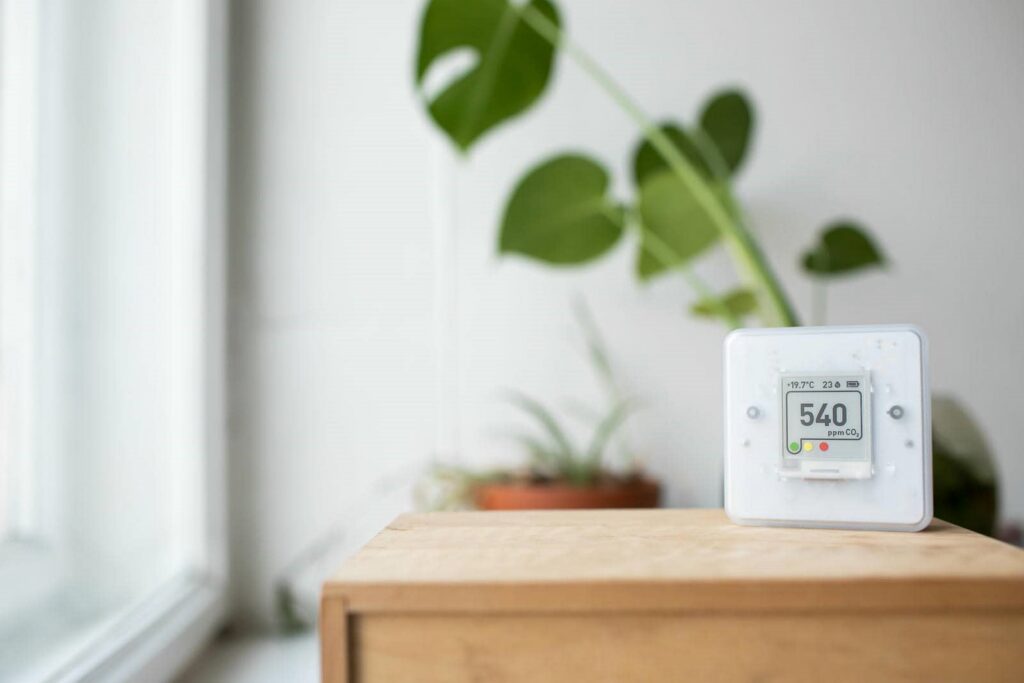
While maintaining good indoor air quality is essential, regularly monitoring it with testing tools is equally important, especially after water damage. You need to understand that water damage can lead to hidden contaminants, including mold and volatile organic compounds (VOCs). By using air quality testing tools, you can identify these issues proactively.
Invest in affordable, user-friendly testing kits that measure levels of common pollutants. These tools enable you to assess your environment regularly, helping you make informed decisions about necessary interventions.
It’s also beneficial to track changes over time, as this data can reveal patterns that may indicate worsening conditions.
Don’t overlook the importance of sharing your findings with others in your community. By fostering a shared commitment to quality air, you can create a healthier living environment for everyone.
Regular monitoring not only protects your health but also strengthens your connection with those around you.
Frequently Asked Questions
How Long Does It Take for Mold to Grow After Water Damage?
Mold can start growing within 24 to 48 hours after water damage. To prevent this, you should implement effective moisture control methods immediately. Staying vigilant helps protect your space from potential mold growth and associated health risks.
Can Indoor Plants Improve Air Quality After Water Damage?
Yes, indoor plants can improve air quality after water damage. Air purifying plants naturally filter toxins and help maintain humidity levels, creating a healthier environment that fosters belonging and well-being in your space.
What Are the Signs of Poor Indoor Air Quality?
Signs of stagnant, stuffy spaces signal poor indoor air quality. Monitor for musty odors, increased humidity levels, and visible airborne pollutants. These factors could hinder your health and happiness in your home environment.
Should I Replace Carpets After Water Damage?
Yes, you should consider replacing carpets after water damage. While carpet cleaning might help, moisture can lead to mold growth. Explore alternative flooring options like tile or laminate for better durability and air quality improvement.
How Often Should I Change My HVAC Filters Post-Water Damage?
You should change your HVAC filters every month after water damage. Regular HVAC maintenance guarantees peak performance. Consider filter types like HEPA or pleated, which trap more allergens and improve indoor air quality effectively.
Review
So, if you want to enjoy the delightful aroma of mold and mildew in your home, by all means, ignore these tips. But if you prefer breathing clean air without the added bonus of respiratory issues, it’s time to take action. Assess that water damage, wield those dehumidifiers like a superhero, and sanitize like your life depends on it—because it just might. Remember, a little effort now saves you from a future of sneezing and wheezing in your own living room.
Recent Posts
How to Prevent Mold After Drying
You might not realize that mold can start growing in hidden cavities before visible surfaces
Why Prevent Mold After Structural Drying?
After structural drying, you still need to prevent mold because hidden moisture can remain in
3 Best Mold Prevention Drying Tips
When moisture lingers, mold can start growing in less than 48 hours, so your drying