
Contents
After experiencing water damage, it’s essential to act swiftly to prevent mold growth. You need to assess the extent of the damage and dry out affected areas effectively. Utilizing dehumidifiers and fans can help maintain ideal humidity levels. However, it’s not just about drying; cleaning and disinfecting surfaces is equally important. Recognizing the signs of mold early can save you from costly repairs. But what steps should you take to ensure a thorough approach?
Key Takeaways
- Ensure affected areas are thoroughly dried within 24-48 hours to inhibit mold growth.
- Maintain indoor humidity levels between 30% and 60% using dehumidifiers and fans.
- Clean and disinfect all surfaces with mold- and bacteria-killing solutions.
- Regularly inspect hidden spaces for moisture and signs of mold development.
- Ensure proper ventilation in high-humidity areas like bathrooms and kitchens.
Assess the Extent of Water Damage
Before you can effectively prevent mold, you need to assess the extent of water damage in your home. Start by inspecting areas where water may have entered, such as basements, ceilings, and around windows.
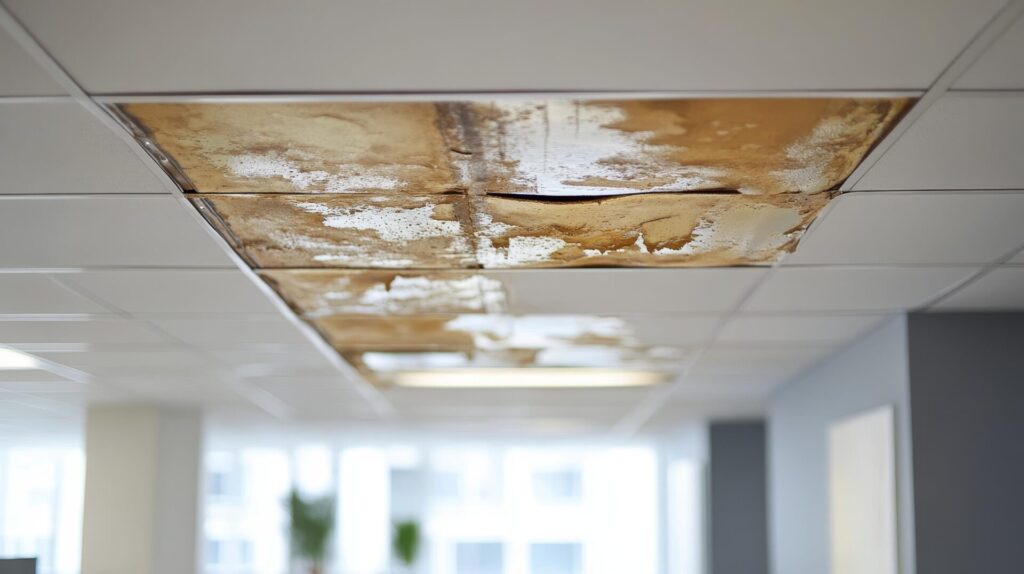
Look for visible signs like discoloration, peeling paint, or warped materials. Use a moisture meter to determine the exact moisture levels in affected surfaces; readings above 15% indicate potential problems.
Don’t forget to check hidden spaces, like behind appliances or under carpets, as water can accumulate there without being obvious.
If you find significant damage, document it with photos for insurance purposes. This assessment helps you understand the severity and guides your next steps in remediation.
By taking this proactive approach, you foster a healthier living environment and strengthen your home against future moisture issues.
Dry Out Affected Areas Quickly
To prevent mold growth, it’s crucial to dry out affected areas within 24 to 48 hours after water intrusion.
Quick action minimizes moisture levels and reduces the risk of mold proliferation. Here are some steps you can take:
Open windows and doors: Increase airflow to help evaporate moisture.
Remove wet materials: Take out soaked carpets, furniture, and other absorbent items.
Use towels: Blot up excess water on surfaces to hasten drying.
Check hidden areas: Inspect behind walls, under sinks, or in crawl spaces for trapped moisture.
Monitor humidity: Keep an eye on indoor humidity levels to ensure they remain low.
Use Dehumidifiers and Fans
To prevent mold growth, it’s essential to maintain ideal humidity levels in your home, ideally between 30% and 60%.
Using dehumidifiers can effectively reduce excess moisture, while fans enhance air circulation, further inhibiting mold development.
Together, these tools create an environment that discourages mold spores from settling and thriving.
Optimal Humidity Levels
Maintaining ideal humidity levels is essential to preventing mold growth, as excessive moisture creates a perfect environment for spores to thrive.
To keep your space mold-free, aim for humidity levels between 30% and 60%. Using dehumidifiers and fans effectively manages moisture.
Here are some tips:
- Regularly check and adjust dehumidifier settings.
- Ensure proper drainage for dehumidifiers.
- Utilize fans to enhance airflow in damp areas.
- Monitor humidity levels with a hygrometer.
- Keep windows closed during high-humidity days.
Air Circulation Importance
Humidity control alone isn’t enough; effective air circulation plays a significant role in preventing mold growth.
After water damage, it’s vital to use dehumidifiers and fans strategically. Dehumidifiers reduce moisture levels, but without air movement, damp air can linger in corners and hidden spaces. Position fans to direct airflow across surfaces, ensuring moisture evaporates quickly.
Target high-humidity areas like basements and bathrooms, where mold is likely to thrive. Open windows when weather permits to promote fresh air exchange.
Clean and Disinfect Surfaces
Regularly cleaning and disinfecting surfaces is essential in preventing mold growth.
When surfaces remain damp or dirty, they create a perfect environment for mold spores to thrive.
To keep your home mold-free, follow these steps:
- Use a mixture of water and detergent to scrub surfaces.
- Apply a disinfectant specifically designed to kill mold and bacteria.
- Focus on high-humidity areas like bathrooms, kitchens, and basements.
- Don’t forget to clean behind appliances and under sinks, where moisture can accumulate.
- Allow surfaces to dry thoroughly after cleaning to discourage mold growth.
Monitor for Signs of Mold Growth
Even with thorough cleaning and disinfecting, it’s important to keep an eye out for any signs of mold growth in your home. Mold can develop quickly in damp conditions, so regular monitoring is essential. Look for visible growth, unusual odors, or increased humidity levels, which can indicate a problem.
| Sign of Mold Growth | What to Look For |
|---|---|
| Visible Mold | Dark spots or fuzzy growth on surfaces |
| Musty Odor | Persistent, earthy smell in areas |
| High Humidity | Excess moisture on windows or walls |
If you notice any of these signs, address them immediately to prevent further complications. Implementing dehumidifiers and ensuring proper ventilation can help maintain a healthy environment. Staying vigilant protects your home and fosters a sense of community among those who care for their living spaces.
Seek Professional Help if Necessary
If you notice extensive mold growth or damage, it’s essential to assess the situation thoroughly.
Mold remediation experts can evaluate the extent of the damage and provide effective solutions.
Additionally, they can assist you with insurance claims, ensuring you understand your coverage and options.
Assess Damage Extent
Evaluating the extent of mold damage in your home is essential for effective remediation.
Start by inspecting affected areas thoroughly. If you notice any of the following signs, it’s wise to seek professional help:
- Visible mold growth on walls, ceilings, or floors
- A musty odor that permeates your living space
- Water stains or discoloration on surfaces
- Increased humidity levels, often above 60%
- Structural damage, such as warped wood or peeling paint
Mold Remediation Experts
When dealing with significant mold issues, seeking help from mold remediation experts is essential to ensure effective and safe removal.
These professionals possess the training and tools necessary to identify mold types, assess contamination levels, and implement targeted remediation strategies. They’ll conduct thorough inspections, utilizing advanced techniques like infrared imaging and air sampling to pinpoint hidden mold sources.
Additionally, experts follow industry guidelines, assuring they contain and eliminate mold without spreading spores to unaffected areas. By engaging professionals, you assure thorough remediation and safeguard your health and property.
Insurance Claims Assistance
Maneuvering the insurance claims process after a mold incident can be complex, especially when you’re dealing with the aftermath of damage. Seeking professional help can simplify this journey and ensure you receive the compensation you deserve.
Here are key areas where assistance can be essential:
- Understanding your policy coverage
- Documenting the damage thoroughly
- Communicating effectively with your insurer
- Guiding claim denials or disputes
- Securing compliance with local regulations
Utilizing experts in insurance claims can help you avoid costly mistakes and expedite the process.
You’re not alone in this; many have faced similar challenges and found support invaluable.
Don’t hesitate to reach out for assistance—it could make all the difference in your recovery.
Recap
By acting swiftly and decisively, you can thwart mold’s relentless advance after water damage. Think of your home as a fortress; with dehumidifiers and vigilant cleaning, you’re reinforcing the walls against this insidious invader. Keep an eye out for signs of moisture as if you’re a detective on a mission, ensuring every corner stays dry. If mold dares to rear its ugly head, don’t hesitate to call in the professionals. Protect your space and breathe easy once more.
Recent Posts
10 Tips for Water Damage Mold Cleanup
When water damage hits, you don’t have much time before mold can begin growing in
What Is Water Damage Mold Cleanup?
When your building has a little moisture issue, water damage mold cleanup is the process
Why Mold Remediation Matters After Flooding
Within 24 to 48 hours after flooding, mold can begin to grow, and you may