
Contents
Imagine a restaurant experiencing significant water damage from a burst pipe. Without a structured cleanup process, the situation can escalate quickly, leading to costly repairs and potential health hazards. By following a systematic approach, you not only address the immediate damage but also protect your business’s reputation and assets. So, what are the key steps you should take to guarantee a thorough and effective cleanup?
Key Takeaways
- Following a structured cleanup process ensures thorough damage assessment and identification of hidden moisture sources, preventing further issues.
- Proper documentation during cleanup supports insurance claims and provides a detailed record of the restoration efforts for accountability.
- Implementing effective water extraction techniques minimizes property damage and reduces the risk of mold growth, safeguarding both structure and contents.
- Adhering to safety measures and using personal protective equipment protects workers from contaminants and hazards during the cleanup process.
- Regular inspections and moisture control strategies help maintain a healthy environment and prevent recurring water damage in the future.
Assessing the Damage
When you encounter commercial water damage, evaluating the damage promptly can make a significant difference in the cleanup process. Start by conducting a thorough damage evaluation, reviewing affected areas, and identifying the source of the water. Document everything meticulously, as this will aid in insurance claims and guarantee proper restoration.
Next, perform an impact analysis to gauge how the water has affected your property’s structure, materials, and contents. Look for signs of mold, structural weakening, or electrical hazards.
Understanding the full extent of the damage helps prioritize your cleanup efforts and allocate resources effectively.
Don’t hesitate to reach out to professionals if the damage seems overwhelming; they can provide expert guidance and support.
Ensuring Safety Measures
When tackling commercial water damage, it’s vital to prioritize your safety.
You’ll need to wear appropriate personal protective equipment (PPE) to shield yourself from contaminants and other hazards.
Additionally, handling any hazardous materials requires careful attention to guarantee a safe and effective cleanup.
Personal Protective Equipment
Although you may be enthusiastic to begin the cleanup process after water damage, prioritizing personal protective equipment (PPE) is essential for ensuring your safety.
Wearing the right protective gear not only protects you but also shows your commitment to following safety protocols.
Here are four key items you should consider:
Gloves: Protect your hands from contaminants and sharp objects.
Masks: Safeguard your respiratory system from mold spores and dust.
Goggles: Shield your eyes from debris and splashes.
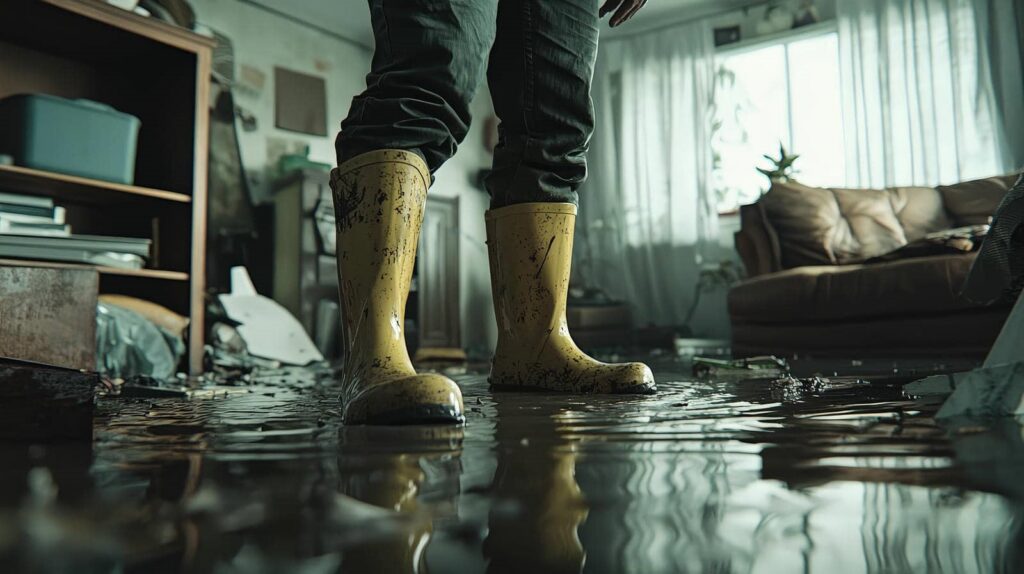
Boots: Keep your feet dry and protected from hazardous materials.
Hazardous Material Handling
As you navigate the cleanup process after water damage, handling hazardous materials with care is essential to maintaining a safe environment.
You’ll likely encounter toxic waste, which can pose serious health risks if not managed properly. Familiarize yourself with local safety regulations to guarantee compliance during the cleanup.
Start by identifying and segregating hazardous materials from non-hazardous ones. Use appropriate containers for disposal, and never mix different types of waste.
Always wear your personal protective equipment to minimize exposure. If you’re unsure about handling certain materials, consult a professional to avoid potential dangers.
Water Extraction Techniques
Effective water extraction techniques are essential for minimizing damage and preventing mold growth in commercial properties.
When you face water damage, using the right water removal methods and extraction equipment can make all the difference.
Here are four key techniques to evaluate:
Submersible Pumps: Ideal for large amounts of standing water, these pumps quickly remove water from affected areas.
Wet/Dry Vacuums: Perfect for smaller spills, they help tackle residual moisture left behind after initial extraction.
Truck-Mounted Extractors: These powerful machines offer high suction and are efficient for extensive water damage.
Portable Extractors: Great for hard-to-reach areas, they provide flexibility and effectiveness in various settings.
Moisture Detection and Monitoring
Moisture detection is essential in preventing further damage after water incidents.
You’ll want to familiarize yourself with the various tools available for monitoring moisture levels and understand effective assessment techniques.
Importance of Moisture Detection
Accurate moisture detection is essential in the commercial water damage cleanup process. It guarantees you effectively address all moisture sources and prevent future issues.
Here’s why moisture measurement is so important:
Identify Hidden Water Sources: Detecting moisture helps uncover hidden leaks that mightn’t be visible.
Assess Humidity Impact: Monitoring humidity levels allows you to understand how they affect materials and air quality.
Prevent Mold Growth: Timely detection can halt the conditions that foster mold, protecting your environment.
Guarantee Effective Drying: Accurate readings help you implement the right drying techniques, speeding up the cleanup process.
Tools for Monitoring Moisture
Identifying moisture isn’t just about knowing it’s there; it’s about using the right tools to monitor it effectively. Moisture meters are essential for pinpointing the exact levels of moisture in various materials, helping you determine if drying efforts are on track. These devices provide quick and accurate readings, ensuring you can act promptly.
Meanwhile, humidity sensors track the ambient moisture in the air, allowing you to manage conditions that could lead to mold growth. By utilizing both moisture meters and humidity sensors, you can create a thorough moisture management strategy.
This not only fosters a healthier environment but also enhances the overall effectiveness of your water damage cleanup process, ensuring you and your team feel confident in your efforts.
Techniques for Effective Assessment
When evaluating moisture levels effectively, employing a combination of techniques can greatly enhance your results. To guarantee thorough moisture assessment and promote effective communication among stakeholders, consider these methods:
Moisture Meters: Use these devices to measure moisture content in various materials.
Thermal Imaging Cameras: Identify hidden moisture pockets by detecting temperature variations.
Deliquescent Indicators: Place these indicators in potential problem areas to monitor moisture changes.
Regular Monitoring: Establish a schedule for ongoing assessment to catch issues early.
Engaging stakeholders throughout the process enhances collaboration and fosters a sense of belonging.
Structural Drying Methods
Effective structural drying methods are vital for restoring a property after water damage occurs. You’ll want to guarantee proper airflow management throughout the affected areas.
By strategically placing fans and dehumidifiers, you can promote efficient evaporation and minimize moisture retention. This step is critical in preventing long-term damage to your building’s structure.
Additionally, utilizing thermal imaging can help identify hidden pockets of moisture that might otherwise go unnoticed. This technology allows you to see temperature variations, highlighting areas that need extra attention.
Mold Inspection and Prevention
When it comes to mold inspection and prevention, early detection techniques are essential for safeguarding your space.
You’ll want to implement effective moisture control measures to minimize the risk of mold growth.
Early Detection Techniques
Although mold can grow quickly in damp environments, early detection techniques are essential for preventing extensive damage in commercial spaces.
Here are some effective methods you can implement:
Regular Inspections: Schedule routine checks for moisture-prone areas.
Early Warning Systems: Use sensors that alert you to rising humidity levels.
Infrared Imaging: Employ thermal cameras to identify hidden moisture pockets behind walls.
Moisture Meters: Invest in tools that measure humidity levels to catch problems before they escalate.
Effective Moisture Control
Moisture control is essential for maintaining a safe and healthy environment in commercial spaces, as it directly impacts mold growth and structural integrity. Implementing effective moisture barriers helps prevent water intrusion, creating a protective layer that keeps your space dry.
Regularly monitoring humidity levels is vital; aim to maintain indoor humidity between 30-50% to reduce mold risk. Use dehumidifiers in damp areas and guarantee proper ventilation to promote airflow.
Don’t forget to inspect plumbing and HVAC systems for leaks, which can contribute to moisture buildup. By prioritizing these moisture control strategies, you not only safeguard your property but also foster a welcoming atmosphere for employees and customers alike.
Your commitment to these practices strengthens your community and enhances overall well-being.
Cleaning and Sanitizing Affected Areas
To effectively restore your commercial space after water damage, it’s essential to clean and sanitize all affected areas promptly. Neglecting this step can lead to mold growth and further damage.
Here’s how you can guarantee a thorough cleanup:
Identify Affected Areas: Walk through your space to pinpoint all areas impacted by water.
Use Effective Cleaning Techniques: Utilize methods like scrubbing, vacuuming, or steam cleaning to remove dirt and debris.
Apply Quality Sanitizing Products: Select disinfectants specifically designed for water damage, guaranteeing they’re safe for your environment.
Allow for Proper Drying: After cleaning, guarantee areas are completely dried to prevent moisture retention, which can lead to mold.
Restoring Belongings and Assets
Once you’ve cleaned and sanitized your commercial space, the next step is restoring your belongings and assets. This process is essential for belonging restoration and ensuring your business can return to normal.
Start by evaluating the damage to your items. Separate salvageable items from those that are beyond repair. For valuable assets, consider professional cleaning services specializing in water damage. They can help with delicate items like electronics, furniture, and important documents, ensuring asset preservation.
Once cleaned, allow your belongings to dry completely to prevent mold growth. For items like carpets and upholstery, a thorough drying process is critical.
Additionally, take inventory of what you’ve restored and what still needs attention. This organized approach not only helps you keep track but also relieves stress during a challenging time.
Repairing Structural Damage
As you assess the aftermath of water damage, addressing structural issues becomes a top priority.
Ensuring your building’s structural integrity is essential for safety and longevity. Here are some effective repair techniques you can employ:
Inspect for Damage: Check beams, walls, and flooring for signs of weakening.
Dry and Treat: Use dehumidifiers to remove moisture and prevent mold.
Reinforce Weak Areas: Apply additional supports or braces where necessary.
Replace Compromised Materials: Remove and replace any materials that can’t be salvaged, such as rotting wood or damaged drywall.
Documenting the Cleanup Process
While you focus on restoring your property, documenting the cleanup process is essential for both insurance claims and future reference. Start by keeping a detailed log of all activities. Record dates, times, and the specific procedures you’re following.
Take photos before, during, and after the cleanup to capture the extent of the damage and the progress made. This evidence collection will be invaluable when filing claims or addressing disputes later on.
Make sure to note any materials or equipment used, along with their costs. This organized documentation not only supports your insurance claims but also helps you track your expenses.
If you work with professionals, request their documentation as well, ensuring you have a thorough record. By meticulously documenting procedures, you create a transparent narrative of the cleanup process, helping you feel confident and supported as you navigate this challenging situation.
Frequently Asked Questions
How Long Does a Commercial Water Damage Cleanup Typically Take?
A commercial water damage cleanup typically takes several days to weeks. Your cleanup timeline depends on restoration factors like the extent of damage and the efficiency of the team you hire to handle the situation.
What Are the Costs Associated With Commercial Water Damage Cleanup?
When tackling water damage, costs can feel like a tidal wave. You’ll find cost factors include cleanup equipment, labor, and materials. Understanding these elements helps you navigate the expenses and guarantees a smoother recovery journey.
Can I Handle Water Damage Cleanup Myself?
You can handle water damage cleanup yourself, but be aware of the DIY challenges and risk factors involved. It’s vital to assess your knowledge and resources to guarantee safety and effective restoration.
Will My Insurance Cover Commercial Water Damage Cleanup Expenses?
Could you afford to pay out-of-pocket? Your insurance policies might cover commercial water damage cleanup, but pay attention to your coverage limits. Always check with your provider to understand what expenses they’ll cover during recovery.
What if the Water Damage Reoccurs After Cleanup?
If water damage reoccurs after cleanup, you should conduct a thorough damage assessment and implement preventative measures. Regular inspections and maintenance can help identify vulnerabilities, ensuring your space stays protected and minimizing future risks.
To Sum Up
Following a structured commercial water damage cleanup process not only protects your assets but also guarantees a safe environment for everyone involved. Remember, “an ounce of prevention is worth a pound of cure.” By meticulously evaluating damage, implementing safety measures, and documenting every step, you’ll minimize downtime and enhance recovery. Don’t underestimate the importance of a thorough approach—taking the right steps today can save you from bigger issues down the line.
Recent Posts
Why Remediate Mold After Flooding?
If you let mold after flooding go unchecked, it can spread like a hidden system
What Is Flooded Basement Cleanup?
Many flood claims start in the basement, which means you’re often racing against hidden damage
Business Flood Cleanup and Mold Remediation
After a business flood, the first hours can decide whether you face a short cleanup