
Contents
When disaster strikes, what do you restore first: the structure, the safety, or the business itself? You rely on property restoration services to assess damage, secure the site, remove hazards, and begin repair after water, fire, or storm events. They document losses for insurance, limit further deterioration, and help you return the property to pre-loss condition. The real challenge is knowing which restoration step matters most next.
Key Takeaways
- Property restoration services repair and rebuild buildings after damage from water, fire, mold, storms, or other disasters.
- Professionals assess damage, secure the site, and remove hazardous materials to protect occupants and workers.
- Services often include water extraction, structural drying, cleanup, and targeted repairs to salvage materials.
- Restoration teams document damage carefully to support faster and more accurate insurance claims.
- The goal is to reduce downtime, restore safety, and return the property to usable condition quickly.
What Are Property Restoration Services?
Property restoration services are specialized solutions that help you repair, clean, and rebuild a property after damage from events like fire, water intrusion, mold growth, storms, or other disasters.
You rely on trained professionals to assess damage, secure the site, remove hazardous materials, and coordinate repairs with precision. Their work helps you regain safe access, protect structural integrity, and reduce further loss.
When you file insurance claims, accurate documentation and timely communication can support faster resolution. You also gain restoration benefits such as minimized downtime, improved safety, and a clearer path back to normal operations.
If you want to feel confident during recovery, these services give you a structured process and a team that understands what your property needs.
Restoring Commercial Water Damage After a Flood
After a flood, you need to move quickly to limit water intrusion, protect building systems, and reduce the risk of mold, corrosion, and structural deterioration.
You should document flood damage, isolate affected areas, and coordinate with a qualified restoration team that understands commercial occupancy needs. They’ll inspect finishes, insulation, electrical components, and mechanical equipment to determine which materials can be saved and which must be removed.
You can expect restoration techniques such as sanitation, debris removal, and targeted containment to support safe recovery.
Water Extraction and Structural Drying
You need to start with emergency water removal to limit further damage and reduce the risk of microbial growth.
Next, you’ll use moisture detection methods to identify trapped water in walls, floors, and structural cavities.
Then, you’ll deploy drying equipment to restore safe moisture levels and support structural stability.
Emergency Water Removal
When water enters a building, emergency removal must begin quickly to limit structural damage, microbial growth, and secondary material loss.
You need a coordinated emergency response that isolates the affected area, protects contents, and removes standing water with pumps, vacuums, and controlled extraction equipment. This rapid action helps reduce water damage to flooring, drywall, insulation, and finishes before saturation spreads.
After bulk water is removed, you rely on high-velocity air movement and dehumidification to support structural drying and stabilize indoor conditions.
Technicians then check humidity, airflow, and material response to keep the process on target.
Moisture Detection Methods
Once standing water is removed, accurate moisture detection tells you where hidden water remains and how far it has spread into building materials.
You use moisture meters to confirm readings in drywall, trim, and flooring, while thermal imaging helps you spot cooler areas that often indicate trapped moisture behind walls or under finishes.
This targeted assessment lets you map affected zones, verify what’s dry, and catch pockets you might miss by sight alone.
You also protect intact materials by avoiding unnecessary removal.
With clear data, you can make informed decisions, work confidently with your restoration team, and support a faster return to safe, normal use.
Careful detection reduces uncertainty and keeps the drying process focused, efficient, and properly documented throughout your property.
Drying Equipment Use
After moisture mapping, the next step is to deploy the right drying equipment to remove remaining water and drive moisture out of structural materials.
You’ll typically combine air movers, axial fans, and dehumidifiers to speed evaporation and control humidity. Proper dehumidifier operation keeps the vapor pressure low, so walls, flooring, and framing dry faster and more evenly.
Place units to create balanced airflow across wet surfaces, then verify conditions with daily readings. You should also follow equipment maintenance routines, such as cleaning filters, checking hoses, and emptying reservoirs, so performance stays consistent.
As you monitor temperature and relative humidity, you’ll know when to adjust placement or increase capacity. This process helps you protect the structure, support safe occupancy, and stay confident with your restoration team.
Flooded Basement Cleanup for Businesses
A flooded basement can quickly disrupt business operations, damage inventory, and create hazardous conditions, so you need a fast, structured cleanup plan.
First, shut off power to the affected area and restrict access so your team stays safe.
Then document flood damage with photos and notes before you remove water, debris, and damaged materials.
You should contact your commercial insurance carrier promptly so you can start the claim process and verify coverage.
Next, extract standing water, clean hard surfaces with approved disinfectants, and inspect utility systems for visible damage.
Use professional drying equipment to reduce moisture in structural components and limit downtime.
When you act quickly and follow a clear plan, you protect your facility, support your staff, and get your business back on track.
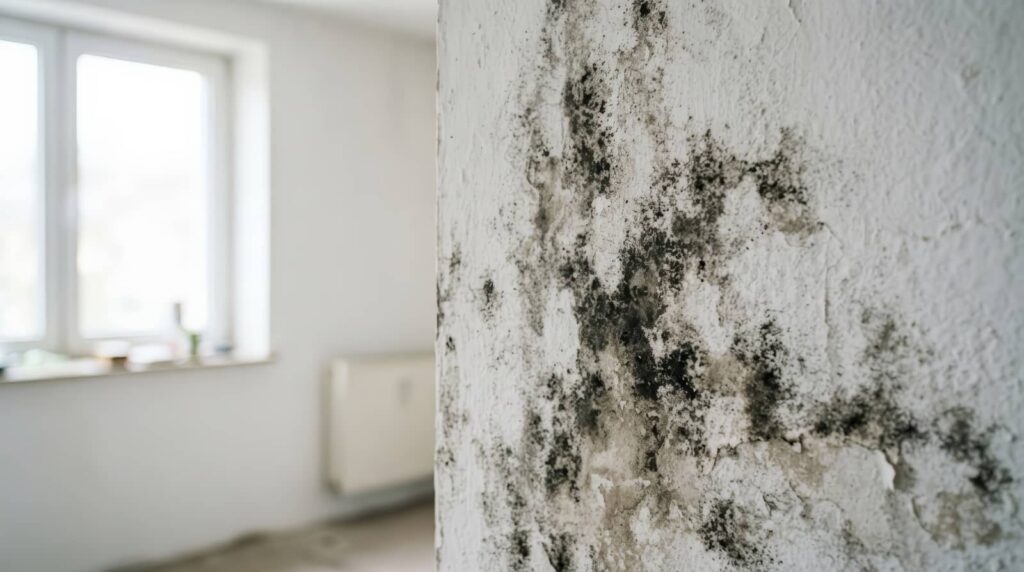
Mold Remediation After Water Damage
When water damage lingers, mold can start growing within 24 to 48 hours, so you need to act quickly to limit contamination and protect indoor air quality.
You’ll want trained technicians to inspect affected materials, contain spores, remove unsalvageable porous items, and dry structural components with controlled airflow and dehumidification. This process helps you stay confident that your space is being restored safely and thoroughly.
- Identify hidden moisture
- Isolate contaminated areas
- Clean and disinfect surfaces
- Verify complete drying
- Apply mold prevention strategies
You also benefit from air filtration and post-remediation testing, which confirm that mold levels have dropped and support healthier indoor air quality.
When you follow a disciplined remediation plan, you protect your property and keep your team in a safer, cleaner environment.
How Restoration Services Minimize Business Downtime
Restoration services minimize business downtime by responding fast, stabilizing the affected area, and coordinating repairs in a sequence that keeps operations moving.
You get immediate damage assessment, emergency drying, debris removal, and controlled demolition, which reduces secondary loss and shortens shutdown time. Technicians isolate hazards, protect inventory, and document conditions for insurance, so you can make decisions quickly.
They also phase work around your schedule, allowing partial occupancy when possible and preserving customer access. This approach supports business continuity by keeping critical systems online and limiting interruptions.
With strong disaster preparedness, you’re better positioned to recover faster, protect revenue, and return staff to a safe, functional workspace. You stay connected to your team, your clients, and your long-term operational goals.
Frequently Asked Questions
How Quickly Should Restoration Begin After Water Damage?
You should start restoration immediately after water damage, ideally within 24 hours. Your immediate response protects materials, limits mold, and keeps your restoration timeline on track, helping you feel supported and confident through recovery.
Are Property Restoration Services Covered by Insurance?
Usually, yes—your property restoration services may be covered by insurance. You’ll need to check your policy, file insurance claims promptly, and confirm coverage limits, because coverage varies by cause, damage type, and exclusions.
Do Restoration Teams Handle Contents and Furniture?
Yes, you’ll often get content handling and furniture protection. Teams inventory, pack, move, clean, and store belongings, then restore them after damage, so you stay informed, supported, and confident throughout the process.
Can Businesses Stay Open During Restoration Work?
Yes, you can often keep your business open during restoration, because nothing says convenience like jackhammers at work. You’ll need business continuity and restoration planning to isolate hazards, phase repairs, and minimize disruption.
What Certifications Should a Restoration Company Have?
You should look for IICRC, OSHA, and EPA certifications, plus mold, water, and fire specialties. These certification types show compliance with industry standards, and you’ll trust a team that’s trained, qualified, and ready.
Summary
Property restoration services help you recover quickly after water, fire, or storm damage by securing the site, removing hazards, and restoring structural integrity. In fact, water damage accounts for some property insurance claims, showing how common and disruptive these events can be. When you use professional restoration, you speed up documentation, support insurance claims, and reduce business downtime. That means you can get back to safe, normal operations sooner.
Recent Posts
3 Best Flood Damage Restoration Services
When flood damage hits your business, you need a restoration service that moves fast and
Property Restoration for Flood and Mold Damage
When floodwater rises like a clock in reverse, you need to act fast. Property Restoration
How to Extract Floodwater and Remove Mold
Before you start removing floodwater, you need to Extract Floodwater safely by first assessing the