
Contents
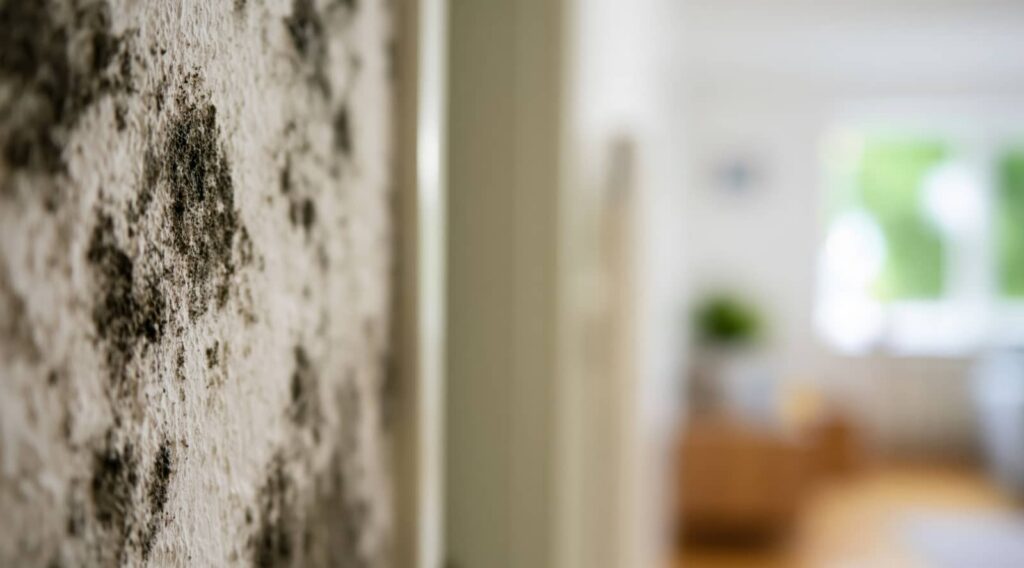
If your basement flooded after a storm and mold appeared within days, you need to act fast. Flood Mold Damage requires you to first stop the moisture source, then contain the affected area so spores don’t spread. After that, you’ll remove standing water, dry hidden dampness, and disinfect surfaces. The next steps can determine whether you restore the space safely or face repeat damage, so keep going to see what matters most.
Key Takeaways
- Stop moisture intrusion, document damage, and notify your insurer immediately.
- Seal the basement, remove porous wet materials, and control humidity to prevent mold spread.
- Pump out standing water and check hidden moisture in walls, floors, and cavities.
- Dry and disinfect all affected surfaces thoroughly, especially corners, sill plates, and behind appliances.
- Replace damaged materials, verify repairs, and use mold-resistant solutions to prevent recurrence.
First Steps After Flood Mold Damage
After flood mold damage, your first step is to stop further moisture intrusion and make the area safe to enter. Shut off water sources, power, and gas only if you can do so without risk.
Then document visible damage with photos and notes for insurance claims. Wear gloves, boots, and an N95 respirator before you inspect surfaces.
Move salvageable items to a dry, ventilated area, and keep wet materials separate from dry ones. Open windows if outdoor conditions are dry, and use fans only after standing water is gone.
Contact your insurer, a qualified remediator, and your household so everyone knows the plan.
These prevention tips help you limit losses, protect health, and stay connected to support as you begin recovery.
Stop Mold Spread in the Flooded Basement
Once the basement is safe to enter, you need to prevent mold from spreading by controlling moisture, airflow, and contamination.
Seal off the area from the rest of your home, and don’t track debris upstairs. Wear gloves, boots, and a respirator so you can work without adding health risks for you or your household.
Remove damp cardboard, fabric, and other porous items that can hold spores, then bag them tightly.
Run fans and a dehumidifier to keep air moving and humidity low, which supports mold prevention. If you’ve got HVAC vents nearby, keep them closed until the space is stabilized.
Stay methodical, and know you’re not handling this alone—each careful step helps protect your basement and your home community.
Remove Standing Water and Hidden Moisture
Start by pumping out any standing water and then check for hidden moisture in wall cavities, under flooring, and behind stored items. You’ll want fast water extraction so the area stops feeding mold.
Use moisture detection tools to spot damp pockets you can’t see, especially near base plates and corners. If you’re tackling this with your crew or family, stay methodical—everyone has a role, and that makes the work feel manageable.
- A wet-dry vacuum pulling water from carpet seams
- A meter reading inside a shadowed wall cavity
- A flashlight catching sheen under a lifted corner
- Boxes shifted back to reveal damp concrete
Keep checking until readings drop to normal. When you remove every hidden source, you protect the space and help your basement feel like yours again.
Dry and Disinfect Basement Surfaces
Dry the basement as thoroughly as you can, then disinfect every affected surface so mold can’t rebound.
Use fans, dehumidifiers, and open access points to improve air circulation, and keep them running until concrete, framing, and stored items feel fully dry.
Wipe hard surfaces with a cleaner rated for mold prevention, following label directions so you kill residue without leaving excess moisture behind.
Wear gloves and a mask, and work from clean areas toward the most affected spots to avoid spreading spores.
Check corners, sill plates, and behind appliances, because trapped dampness hides there.
If you stay methodical, you’re protecting your space and helping your home feel safe again.
Consistent drying and disinfection give your household the best chance to recover together, confidently.
Repair and Rebuild After Mold Cleanup
With the space cleaned and fully dry, you can begin repairing damaged materials and rebuilding the areas mold affected. Replace compromised drywall, insulation, and flooring, then seal framing so moisture can’t return.
Keep records for insurance claims, photos, and receipts to support your recovery. If you see hidden damage, get professional help before closing walls.
- Fresh drywall stacked beside a clean stud wall.
- New flooring laid flat, bright, and level.
- A dehumidifier running near a sealed corner.
- Gloves, mask, and tools ready for the next step.
Check ventilation, grade drainage away from the foundation, and use mold-resistant materials where possible.
These choices reduce health concerns and support long term prevention, helping you restore a safe, comfortable home.
Frequently Asked Questions
How Do I Know if Flood Mold Damage Is Covered by Insurance?
Check your insurance policy for mold coverage exclusions, sublimits, and covered causes of loss. You’ll know coverage by reviewing flood endorsements, dwelling limits, and claim requirements, then calling your insurer to confirm specifics.
Should I Test Indoor Air Quality After Mold Remediation?
Yes—you should test indoor air quality after mold remediation. You’ll confirm mold testing shows acceptable levels, verify air quality has improved, and feel confident your space is safe. That step reassures you and your household.
When Can I Safely Return to the Basement After Cleanup?
You can return once the cleanup timeline is complete and the basement safety check passes, even if it still smells musty. Don’t rush; dry materials, stable humidity, and cleared contamination let you reenter confidently.
How Do I Prevent Mold From Coming Back Long Term?
You’ll prevent mold by controlling moisture, using mold prevention strategies, and scheduling long term maintenance: fix leaks fast, run dehumidifiers, improve ventilation, clean gutters, and inspect hidden areas regularly so you stay protected together.
What Health Symptoms Require Medical Attention After Mold Exposure?
After mold exposure, seek medical consultation if you’ve got wheezing, chest tightness, fever, or worsening cough—those health risks deserve prompt symptoms assessment. If you’re short of breath, faint, or your eyes burn fiercely, don’t wait.
Recap
After flood mold damage, you’ll want to act quickly but calmly. You’ll stop the moisture source, document the trouble, and contain the area before it spreads further. Then you’ll remove wet materials, dry hidden pockets, and disinfect hard surfaces so the space can recover. Once the area’s safe, you can repair and rebuild with mold-resistant materials. With steady steps and the right help, you’ll guide your home back to a healthier state.
Recent Posts
7 Best Mold Remediation After Flooding Tips
After flooding, you need to act fast to limit mold growth and structural damage. Shut
Why Remediate Mold After Flooding?
If you let mold after flooding go unchecked, it can spread like a hidden system
What Is Flooded Basement Cleanup?
Many flood claims start in the basement, which means you’re often racing against hidden damage