
Contents
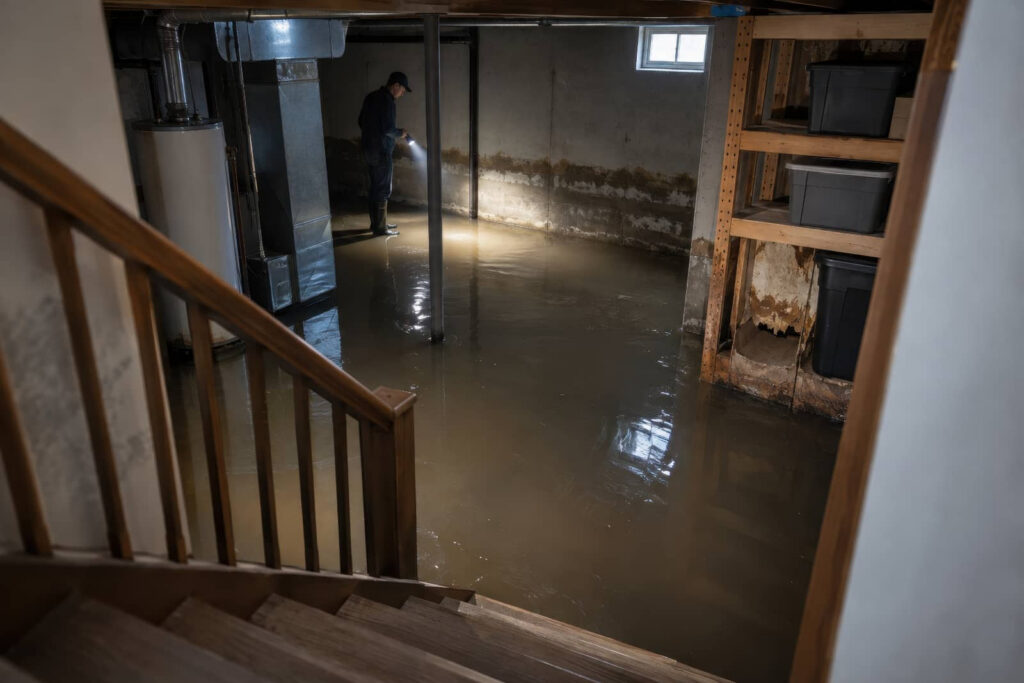
When water sloshes across your basement floor, soaking boxes, drywall, and belongings, every minute counts. Basement flooding requires a careful response, starting with checking for hazards and shutting off power only when it’s safe to do so. Next, document the damage for insurance and remove standing water as quickly as possible. Remove wet carpets and insulation when they cannot be safely salvaged, then dry the space with dehumidifiers and fans while inspecting for hidden structural damage. The first few hours matter, and thorough moisture checks can help prevent mold growth and more costly repairs.
Key Takeaways
- Shut off basement power and stop the water source if it is safe to do so.
- Document all damage with photos, videos, and an inventory for insurance claims.
- Remove standing water quickly using pumps, vacuums, or buckets.
- Pull out wet carpet, insulation, and other porous materials to prevent mold.
- Dry the basement with dehumidifiers and fans, then repair damage and prevent future flooding.
What to Do After Basement Flood Damage
After a basement flood, shut off power to the affected area, stop the source of water if you can do so safely, and document the damage before cleanup begins.
Next, you should wear waterproof boots, gloves, and a respirator if mold or sewage may be present. Remove standing water with pumps, wet vacs, or buckets, then move salvageable items to a dry, ventilated space.
Open windows and run fans and dehumidifiers to speed water mitigation. Pull up wet carpets and baseboards so hidden moisture can escape. Clean hard surfaces with detergent and disinfectant.
Keep children and pets out until conditions are safe. As part of flood prevention, inspect drains, sump pumps, and grading so you and your household can reduce future basement flooding.
Assess the Damage for Insurance
Once the area is safe, assess the damage methodically for your insurance claim by photographing and video recording every affected room, item, and structural area before you discard anything.
Create a simple inventory with dates, model numbers, and estimated replacement values, and save receipts, warranties, and contractor notes in one folder.
Mark visible damage to walls, flooring, insulation, outlets, and appliances, then note any odors, stains, or discoloration.
Keep your damage documentation organized so your insurance claims adjuster can verify losses quickly.
If you live with others, ask everyone to contribute photos and records from their areas; shared detail strengthens your file.
Contact your insurer promptly, report the loss accurately, and follow the claim instructions exactly.
Remove Standing Water and Wet Materials
Now remove the standing water as quickly as you safely can using a sump pump, wet/dry vacuum, buckets, or towels, depending on the depth and extent of the flood.
Focus on complete water extraction from low spots, under shelving, and around stored items so you can regain control of the space.
Next, pull out wet carpet, padding, insulation, cardboard, and any porous materials that soaked up contaminated water.
Bag debris promptly and follow local material disposal rules for flooded contents. You’ll protect your home and your crew by separating salvageable items from items that must go.
Wear gloves and sturdy boots, and keep pathways clear so you can work efficiently.
If you stay methodical, you’ll reduce damage, stay organized, and get through this together.
Dry Out the Basement to Prevent Mold
With the standing water removed, you need to dry the basement fast to limit mold growth and secondary damage. Open windows only if outside air is dry; otherwise, keep them shut and run dehumidifiers continuously.
Set fans to create strong air circulation across floors, walls, and hidden corners, but don’t aim them at wet insulation or materials you plan to discard. Lift rugs, boxes, and furniture onto blocks so air can reach underneath.
Wipe concrete and framing surfaces with clean cloths to remove residual moisture. Check humidity with a meter and keep it below 60% for mold prevention.
You’re not doing this alone—stay methodical, monitor conditions, and repeat drying until every surface feels dry to the touch and no musty odor remains.
Repair Damage and Prevent Another Flood
After the basement dries, inspect every damaged material and repair or replace what can’t recover. You need to remove warped drywall, saturated insulation, and compromised flooring before hidden moisture spreads.
If you spot rusted fasteners, clean and seal them, then test all outlets and appliances before reuse. For flood prevention, focus on the weak points that failed last time:
- Seal wall cracks with hydraulic cement and epoxy.
- Extend downspouts and grade soil away from the foundation.
- Upgrade sump pumps, backflow valves, and alarms.
When you invest in basement waterproofing, you protect your home and the people who depend on it.
Keep a maintenance log, inspect after storms, and stay connected to neighbors who’ve faced flooding too.
Frequently Asked Questions
How Soon Should I Call My Insurance Company After Flooding?
Call your insurance company immediately after flooding, ideally within 24 hours. You’ll start the claim process faster, protect flood insurance coverage, and join homeowners who document damage early, reducing delays and disputes.
Can I Safely Enter the Basement Before Electricity Is Turned Off?
No—you shouldn’t enter until the power’s off. Why risk flood safety when electrical hazards can energize standing water and metal surfaces? Wait for a qualified electrician, then you’ll protect yourself and your household.
What Documents Should I Keep for a Flood Damage Claim?
Keep photos, videos, receipts, repair estimates, inventory lists, and communication records for your flood damage claim. Save your insurance policy, too, so you can verify coverage, deductibles, and deadlines before filing.
Should I Contact My Mortgage Lender After Basement Flooding?
Yes—you should contact your mortgage lender after basement flooding. You’ll learn flood assistance options, protect against mortgage policy implications, and keep your account in good standing. Ask about deferment, insurance requirements, and hardship programs.
Can Basement Floodwater Contain Sewage or Hazardous Contaminants?
Yes—your basement floodwater can contain sewage, chemicals, and pathogens. You should treat it as contaminated until floodwater analysis confirms otherwise; assess contamination risks, wear protection, and keep your crew safe together.
Conclusion
When your basement floods, you don’t get to admire the chaos; you assess it, document it, and call your insurer before the water gets ideas. You remove standing water, pull out soaked materials, and dry the space fast with fans and dehumidifiers. Then you repair the damage and fix the weak points that invited the flood in. Act quickly, stay methodical, and don’t let a damp basement become your home’s new personality.
Recent Posts
7 Tips for Mold Remediation After Water Damage
After water damage, you need to act fast to keep mold from spreading through your
What Is Storm Damage Mold Remediation?
When a storm leaves your building a little worse for wear, mold can quietly become
3 Best Flooded Basement Cleanup Tips
After a storm, you walk into your basement and find two inches of water around